36 Best Memory Techniques for Studying
Here is a list of memory techniques to help speed up your learning:
Tip: if you’re a beginner with memory improvement techniques, join our free online community and we’ll send you a ebook that shows you how to start training your brain like a memory champion. It’s free!
1. Memory Palaces
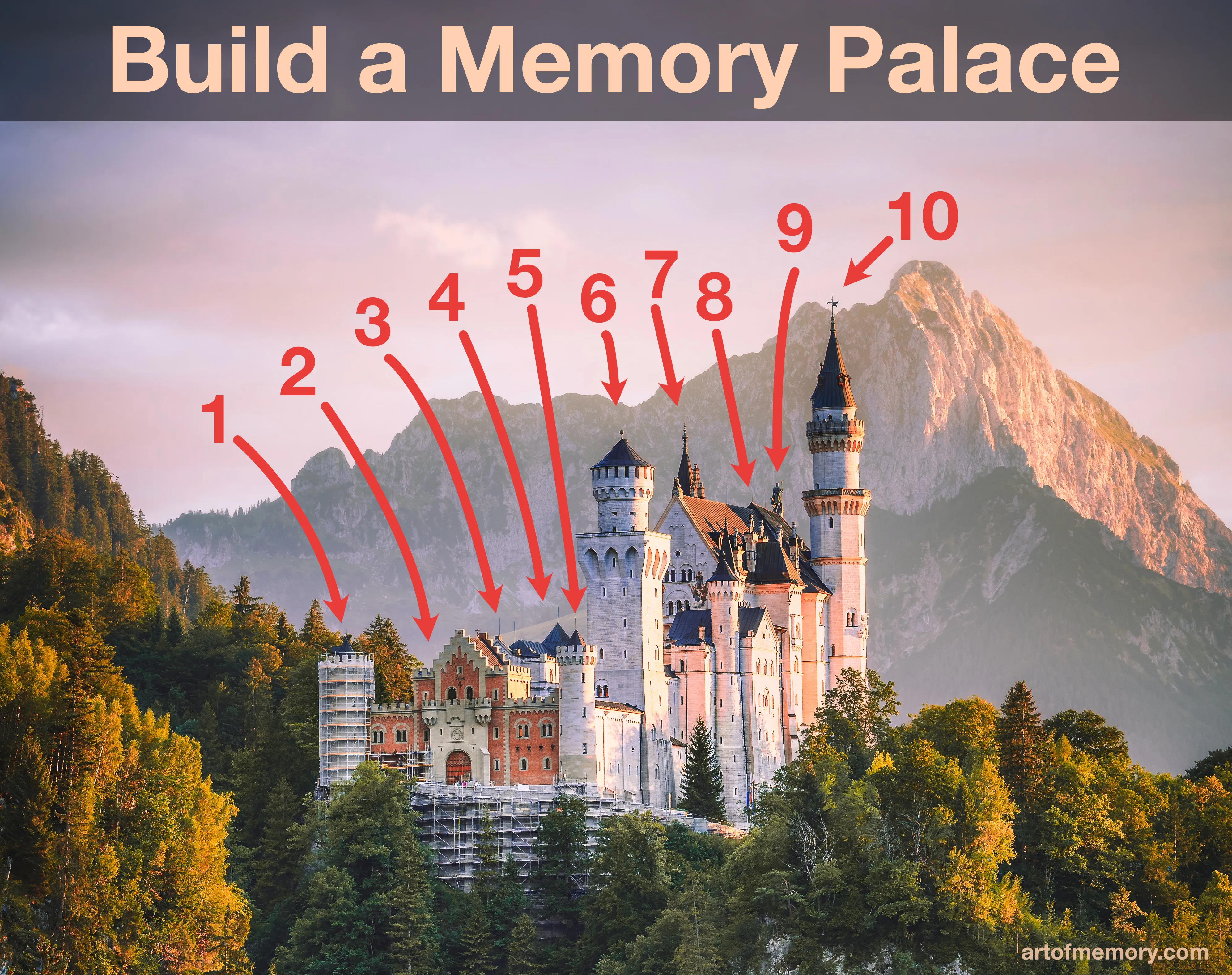
Made famous by the Sherlock TV show, the memory palace technique is one of the most important memory techniques. A memory palace is also known as a “mind palace”.
If you’ve ever heard of people who can memorize thousands of digits of pi or shuffled decks of cards, it’s likely that they are using the memory palace technique.
You can also use the memory palace technique to make studying easier.
Check out the method of loci page for an example of how to create your own memory palace in 5 minutes!
2. Mnemonic Image Method
A mnemonic image is a picture in your mind that represents a piece of information in the real world. You can link the mnemonic image with the thing you’re trying to remember in order to make it more memorable.
For most people it’s easier to remember mental pictures than words, so the linked mnemonic image helps the information stick in your brain more easily.
For example, if you need to remember that the Spanish word dormir means to sleep, you could picture a dorm room, because dorm sounds like dormir, and you can sleep in a dorm. The link between the word and the image will help you recall the word or meaning later.
To learn more about them, see our tutorial on how to create mnemonic images.

3. Names and Faces Techniques
There are several ways to memorize names and faces. One of the most common ways is to find a memorable feature on someone’s face.
Then use a mnemonic image (see above), to create a picture that represents their name.
For example, if you meet someone named Alan, you could picture an image of an Allen wrench (shown below), and imagine the wrench interacting with a feature on his face that stands out to you.
When you see the person again, you would notice the feature that stands out the most to you, and then try to recall the mnemonic image that you created. The mental picture of the Allan wrench would remind you that his name is Alan.

4. Test Yourself
Testing yourself on what you learn can help you remember it better.
Active recall is the process of actively trying to retrieve information from your memory. When you try to recall information from your mind, it makes the information stick better than if you just passively read the information.
In the book The Principles of Psychology, William James described it like this:
A curious peculiarity of our memory is that things are impressed better by active than by passive repetition. I mean that in learning (by heart, for example), when we almost know the piece, it pays better to wait and recollect by an effort from within, than to look at the book again. If we recover the words in the former way, we shall probably know them the next time; if in the latter way, we shall very likely need the book once more.”
Here’s an example of the difference between active recall and passive recall: with passive recall, you’re just reviewing the information by repetitively looking at your notes. Re-reading your notes can help, but trying to recall the information from your own memory is far more effective for long-term memory.
To use the active recall technique while studying, you could create test questions as you take your notes. For example, if you’re studying JavaScript data types, you could write down the question “What are the 8 basic data types in JavaScript?”. Then put your notes away and look at the questions you’ve written down. See if you can answer them without looking at your notes. If you can’t remember some of the items, no problem — look at your notes, and then try the active recall again later.
Basic active recall can also be combined with other techniques like spaced repetition and the Feynman Technique (see below).
5. The Feynman Technique
This study technique appears under several names, but it is often referred to as the Feynman Technique due to the popularity of a book called Ultralearning.
This is an essential technique for any serious student, and it’s simple to do.
After you read a little bit of your book, or study a little bit of your course, stop for a moment and pretend to teach the material to an imaginary student. Alternatively, you can write down the material in your notes as if you were teaching somebody else.
Forcing yourself to put the material into your own words helps you lock the information into your brain and make sure that you understand it completely before moving on.
Learning by “teaching” is one of the most important memory techniques, so definitely give it a try!
6. Sleep on It
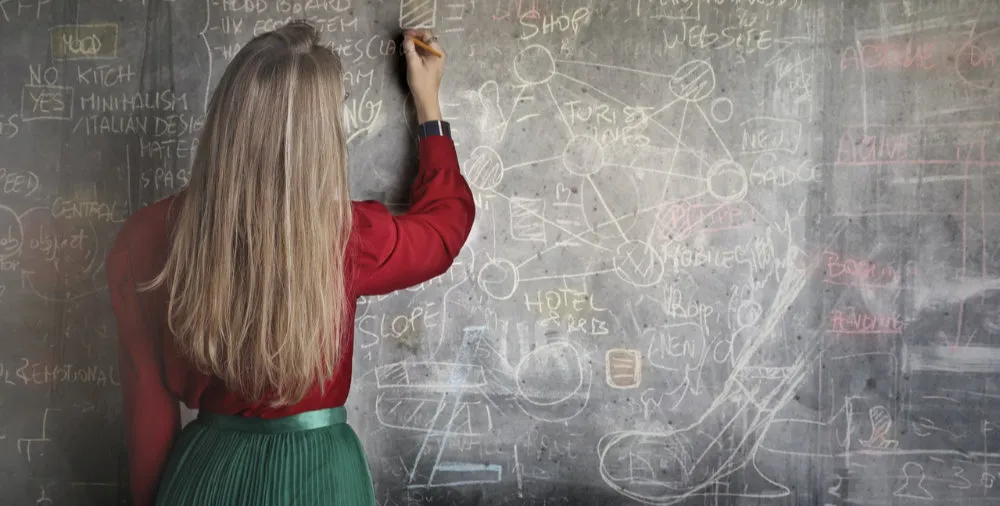
Getting a good night’s sleep can help with memory, and there’s an extra trick you can use to boost that effect ever further.
Every night before you go to sleep, do a bit of studying. Several studies have shown that studying right before you sleep can help with remembering the material:
At the 24-hour retest, with all subjects having received both a full night of sleep and a full day of wakefulness, subjects’ memories were superior when sleep occurred shortly after learning, rather than following a full day of wakefulness.
7. Alphabet Pegs
If you already know how to say the alphabet in order, you can use that ability to remember long lists of other information, using a technique called the Alphabet Peg System.
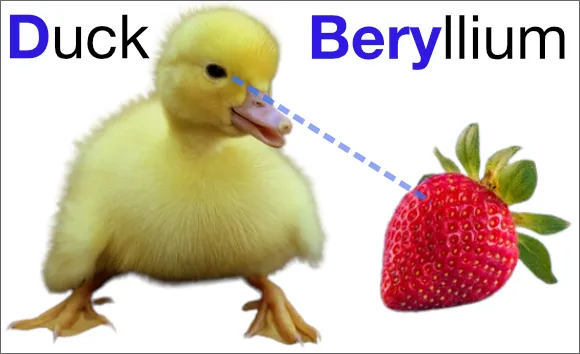
First, make a list of the letters in the alphabet and think of an animal that begins with that letter. Here’s an example for the beginning of the alphabet:
- A — Alligator
- B — Bear
- C — Cow
- D — Duck
- and so on…
Then make a list of the facts that you want to memorize, for example, the periodic table of elements. Create a mnemonic image for each item in the list, like this:
- Hydrogen — water is H2O, so you could imagine that “water” represents the fact “hydrogen”
- Helium — a helium-filled balloon
- Lithium — a battery
- Beryllium — a berry, because “berry” sounds kind of like “beryllium”
- and so on…
To memorize the elements, create a mental picture that links each item from one list with the corresponding item and the other list.
- An alligator is swimming in water
- A bear is holding some balloons and is floating away into the sky
- A battery-powered cow
- A duck is eating a berry
- and so on…
Review your images a few times, and then recall the list by walking through the alphabet letters (A, B, C, D, etc.), thinking of the corresponding animal, remembering what the animal was doing, and then turning the mnemonic images back into the chemical elements.
You can create as many alphabet peg list as you want, using different animals, fruits, vegetables, peoples names, or anything else that can be linked with the letters.
If you’re going to memorize a list with more than 26 items (like the periodic table), it may be easier to use a memory palace or number pegs.
8. Number Pegs
After you learn alphabet pegs (above), try learning how to use Number Pegs.
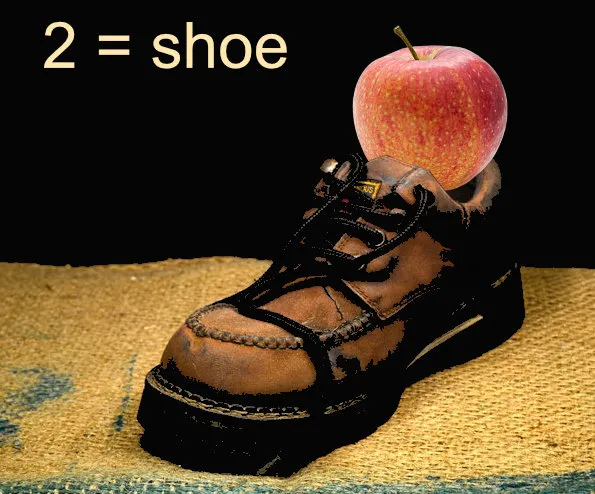
To make a simple number peg system, create a mnemonic image for each number from 1 to 10. For example, you could use pictures that rhyme with the numbers:
- ONE rhymes with GUN.
- TWO rhymes with SHOE.
- THREE rhymes with TREE.
- and so on…
Once you have created the pegs, then make a list out of the facts you want to memorize. For example, you could memorize a shopping list:
- bread
- apples
- cabbage
- and so on…
Now link each item from the two lists together:
- Imagine shooting a loaf of bread with a GUN.
- Imagine putting an apple in your SHOE.
- Imagine shaking a TREE and having cabbages fall out.
When you get to the grocery store, you can recall the items by counting the numbers:
- What rhymes with ONE? The answer is GUN. What was the gun doing? Shooting a loaf of BREAD.
- What rhymes with TWO? The answer is SHOE. What happened with your shoe? You were putting an APPLE in it.
- What rhymes with THREE? The answer is TREE. What happened when you shook the tree? CABBAGES fell out.
There are many ways to expand on this technique, which you can learn about by creating a free account on this site.
9. Other Peg List Systems
You can make a peg list out of any information that you know in order. You probably know the months in order, so you could create an image for each month like this (adjust for your local climate):
- January — snow
- February — freezing rain
- March — bird singing
- April — spring showers
- etc.
To memorize facts with the list, attach your mnemonic image of the fact to the mnemonic image for the month. Then, to recall the facts, walk through the months in order, and convert all the images back to facts.
Also check out Simon’s peg list images for a kind of alphabet peg system that uses actions that can be applied to each fact that you want to memorize.
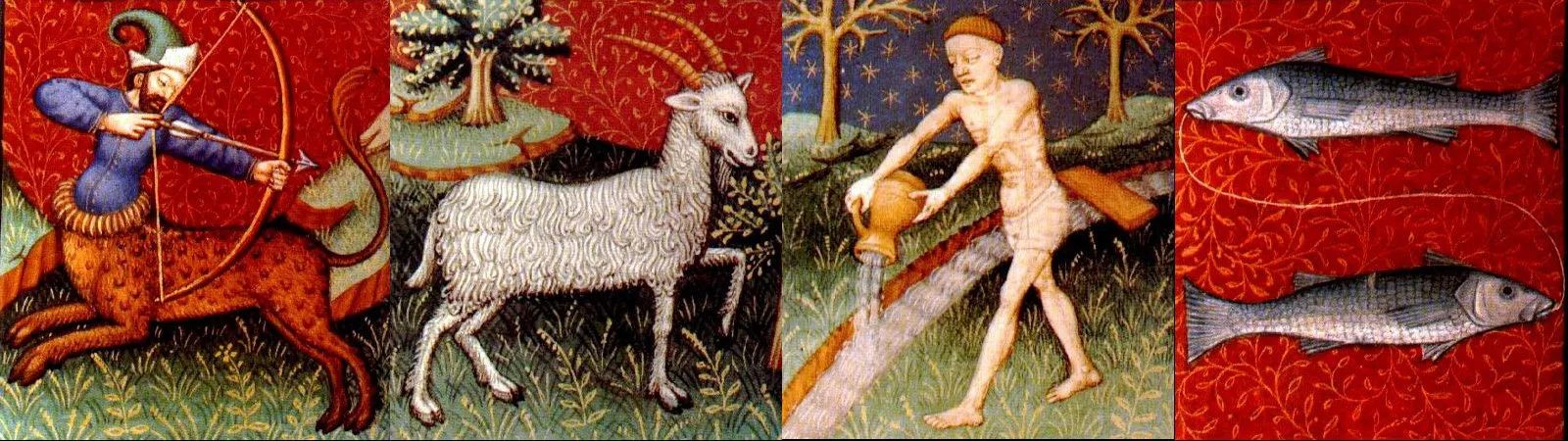
A peg list can be made from any list of facts that you might know in order: days of the week, zodiac signs, TV/movie/book series titles, and more. The only limit is your imagination.
10. Chunking
Chunking is a mnemonic technique where you break up the information you want to memorize into smaller chunks.
You can see an example of this in the telephone numbers of many countries. For example, in the United States, phone numbers are chunked in groups of 3, 3, and 4 like this:
- 555-555-1212
This makes phone numbers much easier to remember than if they were written as a 10-digit number like “5555551212”.
Whenever you see an overwhelming amount of information that you have to learn, try breaking it into chunks. The chunks can be grouped by their order, by category, or in whatever way makes sense to you.
11. Lanier Verbatim Memory System
The Lanier Verbatim Memory System is a complex memory technique for memorizing text word-for-word.
It requires knowledge of several other memory techniques and is not for the faint of heart. Even if you never end up using it, the design of the system is quite interesting.
12. Story Method
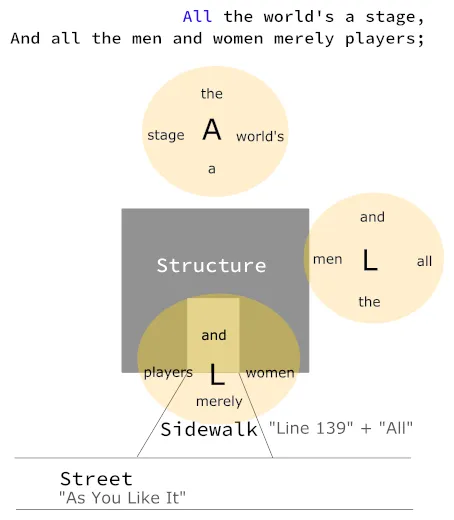
Creating a story out of information can make it memorable. To use this technique, put all of the information that you want to memorize into a list, and then link the items together by creating a story about them. You can exaggerate the story to make it more memorable.
This technique can be especially useful when combined with other techniques like memory palaces.
13. Memory Boards
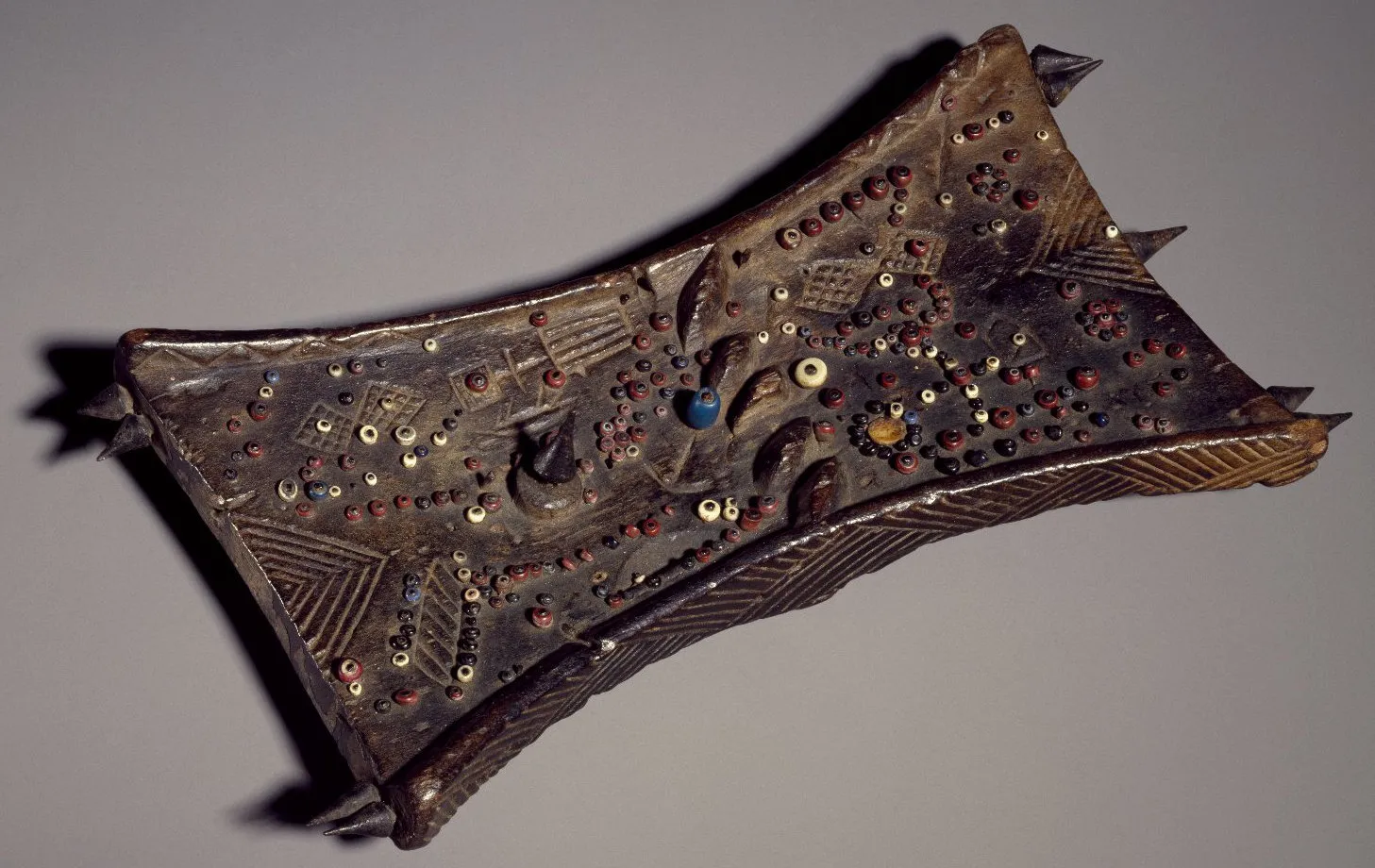
A memory board is a kind of mnemonic device that is kind of like a memory palace on a board. You can make them with various materials like wood, beads, and shells. Each item on the board can represent a location in the memory space, and you can mentally walk through the memory space (just like with a mind palace) to recall the information.
A great way to learn about memory boards is to read the book Memory Craft by Lynne Kelly.
The photo below shows a lukasa — a type of memory board used by the Luba people in Central Africa.
14. Acronyms
To create an acronym take the first letter of each thing you want to memorize, and combine the letters together into a word.
For example, the colors of the rainbow are traditionally described as:
- Red
- Orange
- Yellow
- Green
- Blue
- Indigo
- Violet
Combining the first letters from each color into a word gives you the made-up name: Roy G. Biv. If you can remember “Roy G. Biv”, then you can convert the letters back into colors to remember the order.

15. Acrostic Mnemonics
An acrostic mnemonic is a phrase or poem that represents the facts you want to remember.
Acrostics are commonly used by medical students, for example to create mnemonics for tarsal bones.
Here’s an example of an acrostic mnemonic:
- “Old People From Texas Eat Spiders”
The first letter of each word there can remind you of the cranial bones:
- Occipital
- Parietal
- Frontal
- Temporal
- Ethmoid
- Sphenoid
The difference between an acronym and an acrostic is that an acronym spells out a word (like “ROY G. BIV”, explained in the acronyms section), and an acrostic is more like a poem or phrase where the first letters represent facts. An example of an acrostic for the colors of the rainbow is “Richard Of York Gave Battle In Vain”.
16. Number Rhyme System
A number rhyme system involves finding a word that rhymes with each number (usually from 0 to 9). We already saw a quick example of it in the peg list section above.
Because pictures are much easier to remember than numbers, you can chain those pictures together with the story method to remember the digits.
Here are some examples of how to creating number rhymes for digits:
- ONE rhymes with GUN
- TWO rhymes with SHOE
- THREE rhymes with TREE
- FOUR rhymes with DOOR
- and so on…
If you want to remember the number 4314, you could convert the digits into their rhyming pictures like this:
- 4 → DOOR
- 3 → TREE
- 1 → GUN
- 4 → DOOR
Then create a story (story method) to keep them in order: a giant DOOR falls on a TREE, knocking it onto a GUN, which fires at another DOOR, destroying it.
This only works for short numbers, but the technique is easy to use. If you want to memorize longer numbers, keep reading to learn more about advanced number memorization systems.
17. Number Shape System
A number shape system is similar to a number rhyme system, but instead of creating mnemonic images based on rhymes, you create them by finding pictures that look like the digits.
Here’s an example:
- The digit 1 looks like a CANDLE.
- The digit 2 looks kind of like a SNAKE about to strike.
- The digit 3 looks like the folded wings of a BUTTERFLY.
- The digit 4 looks kind of like a FLAG.
- etc.
Once you have pictures for each digit, you can use them as a peg list or as a way to remember numbers in the same was as with the number rhyme system.
18. Shaper System
You can take number shapes to the next level by using the Shaper System.
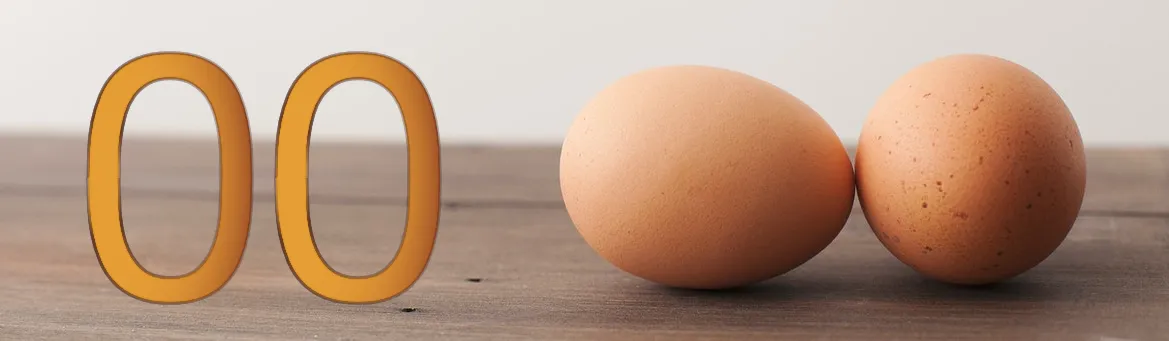
In the Shaper System, you convert every 2-digit number (00-99) into a picture that looks like the number. The pictures make it easier to remember the numbers, especially if you place the pictures into a mind palace.
Here are some examples of Shaper System images:
- 00 looks like two eggs
- 10 looks like a stick and drum
- 20 looks kind of like a snail
- 78 looks kind of like a shopping cart, if you put the 8 on the ground
19. Spaced Repetition
Spaced repetition is a simple technique that you can use to remember things better. To use spaced repetition, you review the information that you’re trying to memorize at increasing intervals.
For example, after learning some new material, you might create a review schedule like this:
- immediately after memorizing it
- before going to sleep
- 1 day later
- again before going to sleep
- 1 week later
- 3 weeks later
- 2 months later
- 6 months later
- 2 years later
The increasing intervals will help you maintain the information in your memory. You can experiment with intervals to see what kind of spacing works best for you.
We also offer memory palace software that automatically schedules the spaced repetition for you.
20. 2-Digit Consonant Vowel System
A 2-digit consonant-vowel system is a variation on an idea from the Ben System.
In the Ben System, 3-digit numbers are given a 1-syllable pronunciation by converting the digits into a consonant-vowel-consonant pattern.
A 2-digit consonant-vowel system is similar but it’s designed for 2-digit numbers. The first digit gets translated into a consonant, and the second digit becomes a vowel.
Here’s a sample translation table:
| Digit | Consonant | Vowel |
|---|---|---|
| 0 | s or z | O as in “boat” |
| 1 | t | I as in “beet” |
| 2 | n | U as in “two” |
| 3 | m | AA as in “cat” |
| 4 | r | A as in “father” |
| 5 | L | AI as in “five” |
| 6 | b | IH as in “six” |
| 7 | k | E as in “seven” |
| 8 | f or v | EI as in “eight” |
| 9 | p | UH as in “puppy” |
Note: the digits represent sounds, not letters. This is a common source of confusion, especially for English speakers. The English alphabet isn’t consistent and one letter can have many different sounds, but in these kinds of consonant-based memory systems, the digits represent exact, specific sounds, not letters. That’s why the vowels are written with uppercase letters. They aren’t English letters, but are symbols that represent exact vowel sounds.
Here’s an example of how to create mnemonic images for numbers using this kind of system.
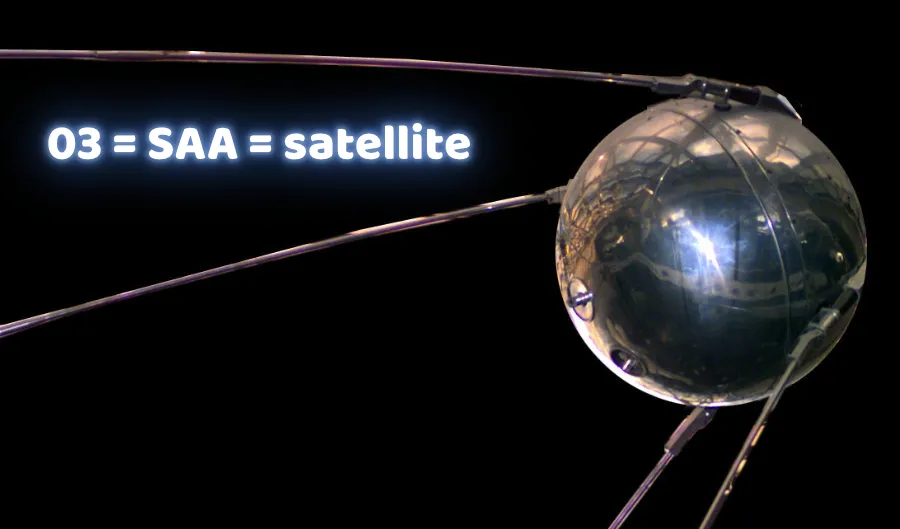
- 03 — The first digit becomes a consonant. Looking at the table above, it’s an “s or z”. The second digit becomes a vowel. The table says that 3 is an “AA” sound like in the word “cat”. To find an image, think of a word that start with the sound “SAA…”. The first word I think of is “satellite”, so my image for 03 is the satellite, Sputnik 1.
- 86 — Looking at the table, an 8 in the consonant position becomes an “f or v”. The 6 in the vowel position is an “IH” sound like in the word “six”. That makes the sound “FIH”. “Fiddle” or “fitness instructor” would be a good fit. In my system, I use “fiddlehead fern”.
To complete the system, create a fixed image for each number from 00 to 99. You can then use your system to memorize numbers of any length.
21. Major System
The Major System is a classic technique for memorizing long numbers.
In the Major System, each digit is given the sound of a consonant, and then a word is created from the consonants.
For example, the digit 2 becomes an “n”. To make a mnemonic image for the number 22, you would find a word that has “n” as the first two consonant sounds. The word “oNioN” would be a good fit.
Another example: the number 2 in “n” and 0 is and “s” or “z” sound. So the number 20 could be converted into the word “eiNStein”, because the first two consonant sounds in Einstein are “n” and “s”.
After you have fixed images for all the numbers betwee 00 and 99, you can then memorize numbers of any length by placing the images into a memory palace!
22. Mnemotechnic Words
The Mnemotechnic Words technique builds on the Major System to make it useful for memorizing things like historic dates.
In this system you’ll create Major System images on the spot to memorize facts like historical dates.
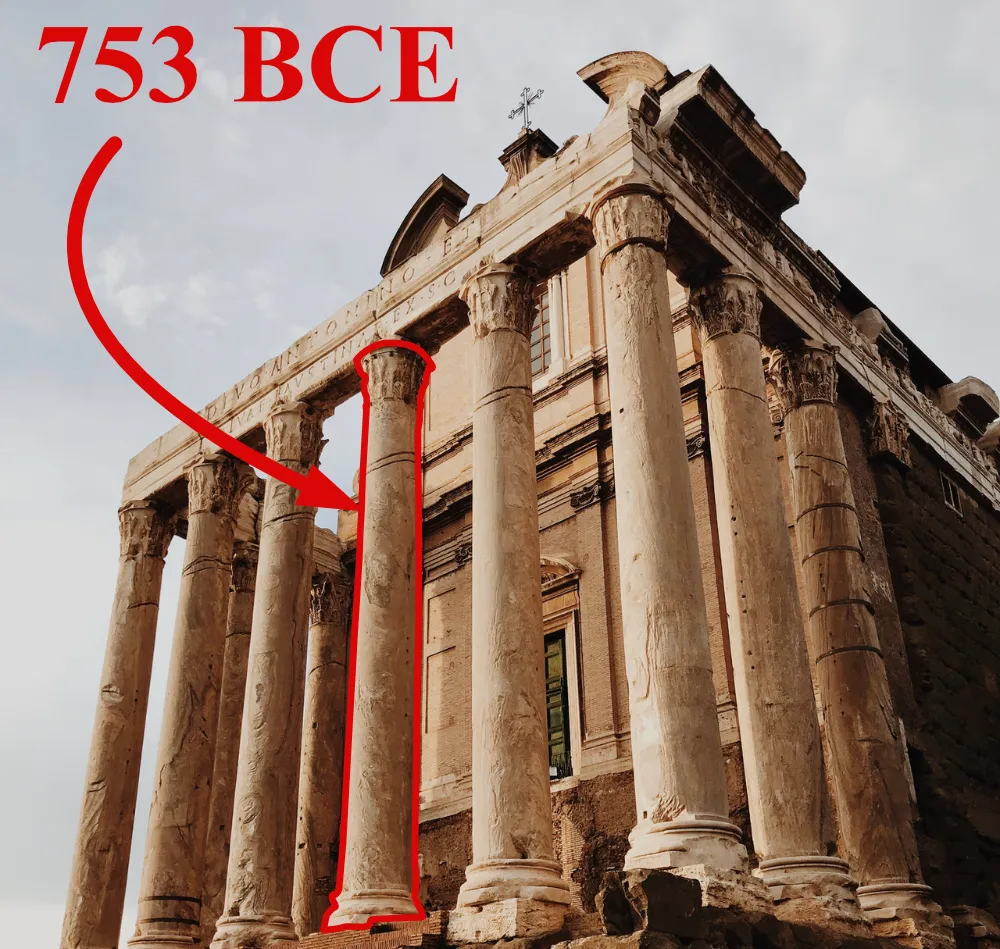
Start with an event that you want to remember, like “the founding of Rome”. Then take the date (753 BCE) and create an image from it using the Major System (or other number conversion method). Try to pick a word that can be easily linked with the fact. 753 in the Major System could be the world “CoLuMn”, and Rome has a lot of architectural columns, so it fits well.
Now you have the name of the event (“the founding of Rome”), and a mnemonic image that represents the year (“CoLuMn”). The next step is to link them together with a memorable phrase or idea.
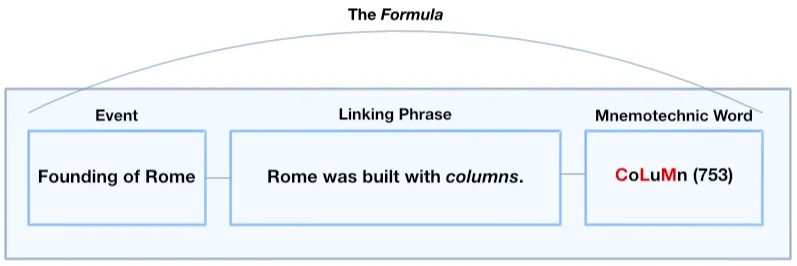
It’s easy to link “Rome” with “column” — you might come up with a phrase like “Rome was founded on columns.” To recall the date, you just need to recall the phrase and convert the word “CoLuMn” back into a date using the Major System (or whatever number system you used to encode the date): 753.
23. Group Compression
When you have to remember lists that have lots of repeated information, you can combine the items that have similarities and just memorize the differences. This compresses the data and reduces the number of facts that you have to memorize.
Here’s an example that uses patterns in a list of data. It’s a sleep log that contains a lot of repeated information:
- good sleep
- good sleep
- bad sleep
- bad sleep
- bad sleep
- good sleep
- good sleep
- bad sleep
- good sleep
You don’t need to remember eight pairs of words. First, determine the number of states. In this case, the number of states is two: “good sleep” and “bad sleep”. Count the number in each group like this:
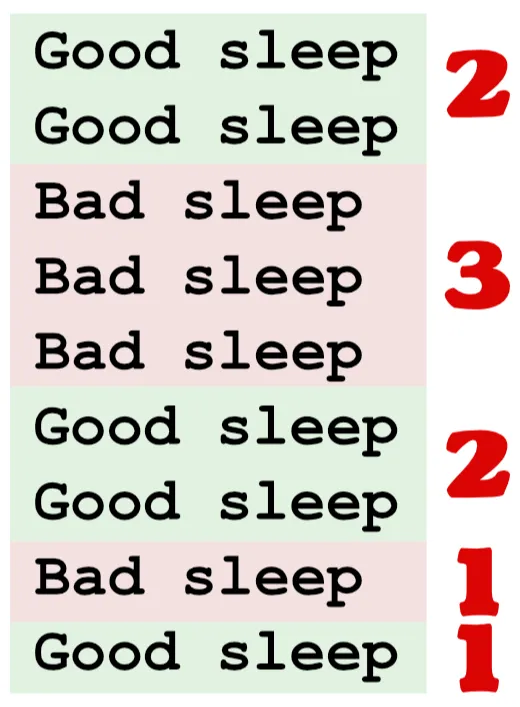
Now you only need to memorize the names of the two states and the number 23211 (easy to do with a technique like the Major System), and you’ve losslessly memorized the information without as much effort. This is an exaggerated example, but the basic concept is useful whenever you see lists of information that have repeated values.
Here’s another example using a list of triggers from a programming language:
before insertbefore updatebefore deleteafter insertafter updateafter deleteafter undelete
At first glance, it looks like seven items to memorize, but if you look closer there are patterns:
- There are only two kinds of triggers:
beforeandafter. - Each type of trigger has three actions:
insert,update, anddelete. - There is also an action called
undelete, which can only happen in theaftertype of trigger.
So now you can remember the list by realizing that triggers happen either before or after something else. They relate to the mutating actions of a basic CRUD pattern (Create, Read, Update, Delete). There’s just one item in the list that doesn’t fit the pattern, which is undelete, and it only appears in the after group.
Identifiying the patterns might be all you need to do to remember the information, but you can also supplement this method with another technique like a peg list or memory palace.
For another example, see the Memory Town section of this page.
24. Dominic System
The Dominic System is similiar to the Major System, but instead of turning digits into consonants, you turn them into letters which then become the initials of people.
The digits get translated into letters like this:
| Digit | Letter |
|---|---|
| 0 | O |
| 1 | A |
| 2 | B |
| 3 | C |
| 4 | D |
| 5 | E |
| 6 | S |
| 7 | G |
| 8 | H |
| 9 | N |
Here are some examples of turning 2-digit numbers into mnemonic images:
- 02 — looking at the table, the digit 0 becomes the letter O and the digit 2 becomes the letter B. The initials, O.B., could stand for Obi-Wan Kenobi.
- 16 — 1 would become A, and 6 would become S. The initials A.S. could become an image of Arnold Schwarzenegger.
25. PAO System
The legendary person-action-object (PAO) system, is a method of reducing the repeated images when memorizing very long numbers.
In a PAO system, each number gets a person, an action, and an object. Most people work with 2-digit numbers, so a PAO group would be six digits (two for the person, two for the action, and two for the object).
Here’s a table of three sample Dominic System numbers that are prepared for the PAO system.
| Number | Person | Action | Object |
|---|---|---|---|
| 15 | Albert Einstein | writing on | blackboard |
| 16 | Arnold Schwarzenegger | lifting | weights |
| 32 | Charlie Brown | tripping over | football |
If you come across the number 321615, you would chunk it in groups of two like 32-16-15. Then choose the person for the first 2-digit number, the action for the second 2-digit number, and the object for the third 2-person number.
Looking at the table above, 32-16-15 would be converted to images like this:
- 32 becomes a person: Charlie Brown
- 16 becomes an action: lifting
- 15 becomes an object: blackboard
The compound PAO image that gets placed into the memory palace location is “Charlie brown lifting a blackboard”. It represents the six-digit number 321615.
Using the table above, see if you can figure out what the PAO image would be for the number 153216. Write down your answer and then scroll to the bottom of this page to check the answer.1
Here’s a video that explains in detail how the systems work together:
26. Shadow System and Trochee System
The Shadow System (and it’s successor the Trochee System) is an advanced technique for memorizing cards that encodes card pairs as images but requires fewer images than the 2-card Ben System.
27. SMASHIN’ SCOPE
SMASHIN’ SCOPE is an acronym that helps you think of ways to create mnemonics. Examples: synesthesia, movement, symbolism, color, order, exaggeration, etc.
28. SEM Cubed
The SEM Cubed method for creating 10,000 pegs by combining a 10x10 grid of cells with Major System images. See this discussion for some links to detailed descriptions of the technique.
29. Ben System
The Ben System is one of the great innovations in modern memory techniques. Many top memory athletes use the Ben System.
It’s similar to the Major System in some ways but uses a consonant-vowel-consonant pattern, which has some advantages over all consonants. Instead of having one mnemonic image per card, it combines two cards for each image, compressing the data into fewer memory palace locations, and reducing the number of repeating images.
30. 10,000-Image Number System
Most mental athletes have number systems with 100 images (2-digit system) or 1,000 images (3-digit system), but there are at least a couple of people who have created 10,000-image number systems (4-digit system).
A 10,000-image number system is extremely difficult to create and use, but if you want to try it, check out the link above!
31. Association System for Numbers
The Association System for Numbers is an alternative to number systems like the Major System and Dominic System. Instead of assigning sounds or letters to digits, you can associate the number with some arbitrary association.
For example, the number 05 could be a starfish because a starfish has 5 arms. The number 25 might be a Christmas present, because Christmas is on December 25th. 41 could be Mozart, because Mozart wrote “41 symphonies”. As long as the associations make sense to you, they should work.
32. Five Binary Number Systems
There are at least five techniques for memorizing binary numbers.
- The 8-letter method where every three binary digits are converted into a letter. The letter is then turned into a picture, which is easier to remember than the random digits.
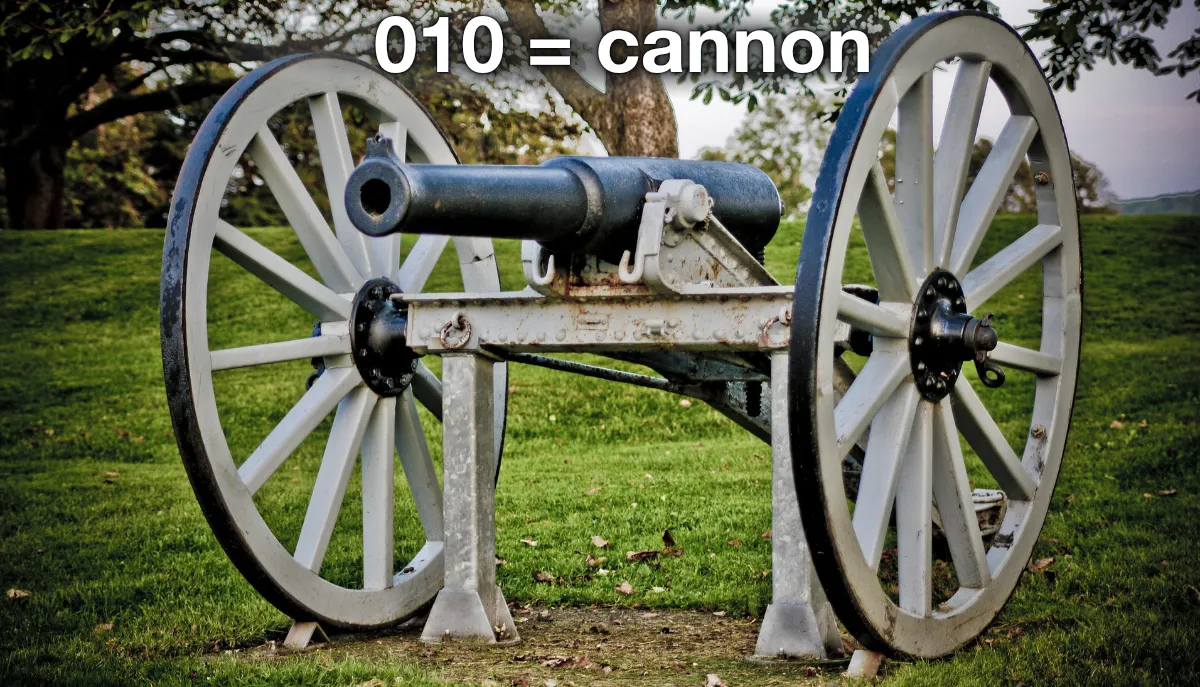
- Gary Lanier’s method, which turns binary numbers into pictures that look like the numbers. For example, the number 010 looks kind of like a cannon with two wheels. (See the photograph of the cannon below.)
- A number conversion system converts the binary numbers into decimal numbers and then uses a decimal number memorization system like the Major System to encode the number as images.
- The binary grids system arranges the numbers in 3x3 grids. Each row becomes a 1-digit decimal number, and the results of those three rows become a 3-digit decimal number. Once you have it converted to a 3-digit decimal number, you can memorize it with any 3-digit number system.
- The Ben System also has its own way of memorizing binary numbers by chunking them in 10s and then again into groups of 4, 3, and 3. This is probably the most complex way to memorize binary numbers, but it compresses the most digits into in each mnemonic image.
33. Memory Town System
The Memory Town System was created by 8x World Memory Champion, Dominic O’Brien. It expands on the basic memory palace method.
With a memory town, your memory palace becomes an entire town. When you create mnemonics for words, you can place the images in their relevant spots in the town. For example, the images for food nouns could go in a supermarket, the images for verbs could go in a park or stadium, and the adjectives could go in a shopping mall. You can design the layout of the town according to the data you’re trying to memorize.
A clever part about the memory town idea is that you can separate the words into different parts of town, for example, by word gender. A masculine food would go in one supermarket, and a feminine food would go in a different supermarket. You would be able to determine the gender of the noun by which supermarket it’s in.
The memory town system is a type of group compression system where information about groups of things (e.g., nouns, verbs, adjectives, adverbs) is encoded by their positions within a larger memory palace.
34. Repetition with Rhythm
Giving a sentence a rhythm, or arranging it to have meter, and then repeating it can help with memorization.
35. Rhyming
Rhyming can help with memorization, especially when combined with rhythm and meter. Older poetry relied heavily on rhymes and meter, which helped with memorization, especially in times when paper didn’t exist or wasn’t abundant.
36. Singing and Music
You can take the ideas of rhythm, meter, and rhyme even further and turn the material into music. The music can be a short melodic line or an entire song.
The Element Song by Tom Lehrer is a great example of taking that technique to a high level.
Where to Go Next
Ready to learn more? Create a free account and begin your memory journey!
1 Here is the answer to the quiz question in the PAO System section above: the number 153216 would be “Albert Einstein tripping over weights”. Did you get it right?
Memory Palace Guide
Learn more about how to use memory palaces.
- How to Build a Memory Palace 🔥
- Learn How to Use Sherlock's Mind Palace 🔥
- How to Create Virtual Memory Palaces 🔥
- Books About Memory Palaces
- How to Reuse Memory Palaces
- List of Memory Techniques for Studying
- How to Use Spaced Repetition
- How to Use the Method of Loci
- Advanced Memory Palace Tips
- Memorize Numbers with a Memory Palace
- Memory Palace for Language Learning
- Simonides of Ceos and the Method of Loci
