Synesthesia and Memory Training
Synesthesia is a neurological phenomenon where stimulation of one sense causes a person to involuntarily feel crossing over to another sense.
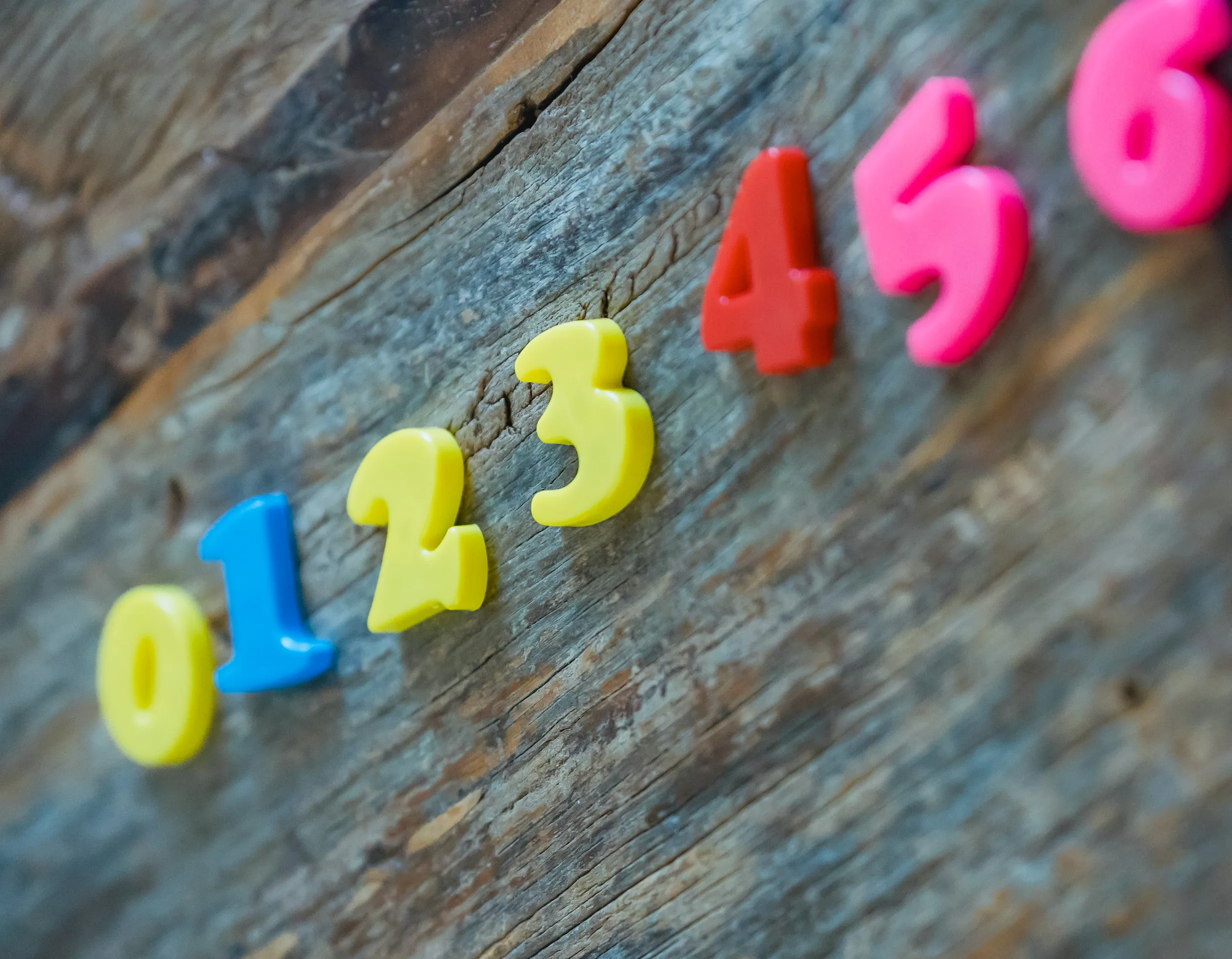
Some example types of synesthesia are: a person might have involuntary associations between numbers and colors (grapheme-color synesthesia), sounds and colors (chromesthesia), number sequences and spatial angles (number forms or spatial sequence synesthesia), sounds and touch (auditory-tactile synesthesia), or words and tastes (lexical-gustatory synesthesia).
Scroll down to learn more about synesthesia training, including a possible link with increased IQ test scores in one study.

Does synesthesia improve memory?
There is some evidence that synesthesia can help with certain kinds of memory.
Enhanced memory ability: Insights from synesthesia:
People with synaesthesia show an enhanced memory relative to demographically matched controls. The most obvious explanation for this is that the ‘extra’ perceptual experiences lead to richer encoding and retrieval opportunities of stimuli which induce synaesthesia (typically verbal stimuli). Although there is some evidence for this, it is unlikely to be the whole explanation. For instance, not all stimuli which trigger synaesthesia are better remembered (e.g., digit span) and some stimuli which do not trigger synaesthesia are better remembered. In fact, synaesthetes tend to have better visual memory than verbal memory.
Another study found that people with synesthesia had improved memory abilities, but not beyond an ordinary range:
In synaesthesia, the input of one sensory modality automatically triggers an additional experience, not normally triggered by the input of that modality. Therefore, compared to non-synaesthetes, additional experiences exist and these may be used as retrieval cues when memory is tested. Previous case studies have suggested that synaesthesia may yield even extraordinary memory abilities. However, group studies found either a task-specific memory advantage or no performance advantage at all. The aim of the present study was to test whether grapheme–colour synaesthesia gives rise to a general memory benefit using a standardised memory test (Wechsler Memory Scale). The synaesthetes showed a performance advantage in episodic memory tests, but not in short-term memory tests. However, performance was still within the ordinary range. The results support the hypothesis that synaesthesia provides for a richer world of experience and as a consequence additional retrieval cues may be available and beneficial but not to the point of extraordinary memory ability.
Can synesthesia be learned?
There is evidence that at least some of the effects synesthesia can be learned.
Non-synesthetes were given specially prepared colored books to read. A modified Stroop task was administered before and after reading. A perceptual crowding task was administered after reading.
Reading one book (>49,000 words) was sufficient to induce effects regarded as behavioral markers for synesthesia.
The results of the Stroop tasks indicate that it is possible to learn letter-color associations through reading in color…
Acknowledging the many differences between trainees and synesthetes, results suggest that it may be possible to acquire a subset of synesthetic behavioral traits in adulthood through training.
Another study found that it may be possible for non-synesthetes to acquire synesthetic responses:
Studies such as one carried out by Dr Clare Jonas at the University of East London aim to take that link between synaesthetes and non-synaesthetes one step further, by training non-synaesthetes to have the same associations that synaesthetes have – and then assessing the impact their newly acquired synaesthesia has on their memory and cognitive function.
That’s where the word test comes in. After training a small group of young adults to associate certain letters with certain colours, the researchers use the test to find out if they remember words more easily if they are coloured to match their synaesthetic training.
So far, the results seem to suggest that they do. The researchers assessed participants’ memory before and after the synaesthesia training, by getting them to look at a list of words in which there was an odd one out – either a word written in the colour they had been taught to associate with it or a word whose meaning did not fit in with the rest of the list.
Synesthesia Training IQ Score Boost?
Another study, Adults Can Be Trained to Acquire Synesthetic Experiences found that IQ scores of people who went through the synesthesia training increased by an average of 12 points.
The authors write:
Indeed, the current study provisionally indicates a link between learning reliant on synesthetic associations and enhanced cognitive ability.
Compared to a control group who carried out the IQ test twice, 9 weeks apart without any training and whose IQ remained the same, participants who undertook the synesthesia training regime increased their IQ on a fluid intelligence test by an average of 12 points.
It should be emphasized that this result is peripheral with respect to our central goal to simulate synesthesia.
Furthermore, in our design it is of course possible that the working memory aspects and not the synesthetic features of the training regime, generated this effect. Nevertheless, finding any IQ improvements in healthy young adults, let alone the marked improvement we observed, is notoriously difficult and usually limited to those at the lower IQ range (which doesn’t apply to our student group).
Our results of an IQ improvement therefore provisionally indicate that cognitive training including synesthetic associations may in the future be a promising new tool for vulnerable clinical groups to enhance general mental ability. Future ‘active control’ studies, including similar working memory tasks but without synesthetic components, are needed to establish the utility of this method.
Discussions About Synesthesia
Check out these discussions about experimental exercises that are intended to acquire or boost synesthesia:
- Synesthesia Training Program (Letters and Numbers)
- Can Synesthesia Be Learned?
- Study: Synesthesia Can Be Learned
- Alexander Scriabin and Artificial Synesthesia
Below are some additional resources for learning more about synesthesia and memory. If you have synesthesia, we would love to hear about your experiences in our discussion forum!
- Synesthesia Color Chart for Letters
- Number Form Synesthesia
- New Insights Into Synesthesia
- Synesthesia and Misophonia Articles and Video
- Synesthesia Training
- Mental calculation with visualization supported with synesthesia
- Where to get access to ebooks with coloured letters, to train synesthesia?
- Synesthesia and Evolution
- The Mind of a Mnemonist
See Also
Extraordinary Memory Abilities Guide
Learn more about extraordinary memory abilities.
- Eidetic Memory vs. Photographic Memory 🔥
- Photographic Memory Test 🔥
- Superior Autobiographical Memory (Hyperthymesia) 🔥
- Aphantasia and Memory 🔥
- Synesthesia and Memory
- Short-Term Memory
- Solomon Shereshevsky
- The Mystery of Solomon Shereshevsky
- Hannibal Lecter, Mnemonist
- Another Look at Highly Superior Autobiographical Memory (HSAM)
- Savants and Memory Competitions
- How to Use Sherlock's Mind Palace
- Discussions About Memory Techniques, Exams, Studying, and Homework
- Ask Questions in Our Forum (free)
