How to Create Mnemonic Images Tutorial
A mnemonic image is a mental picture that represents a fact that you want to remember.
Pictures are easier to remember than abstract information, so by converting the information into picture, it increases the chance that you’ll be able to recall it later.
Mnemonic images are the base for many other memory systems, and are part of how the memory palace technique works.
Example 1: Remembering a Number
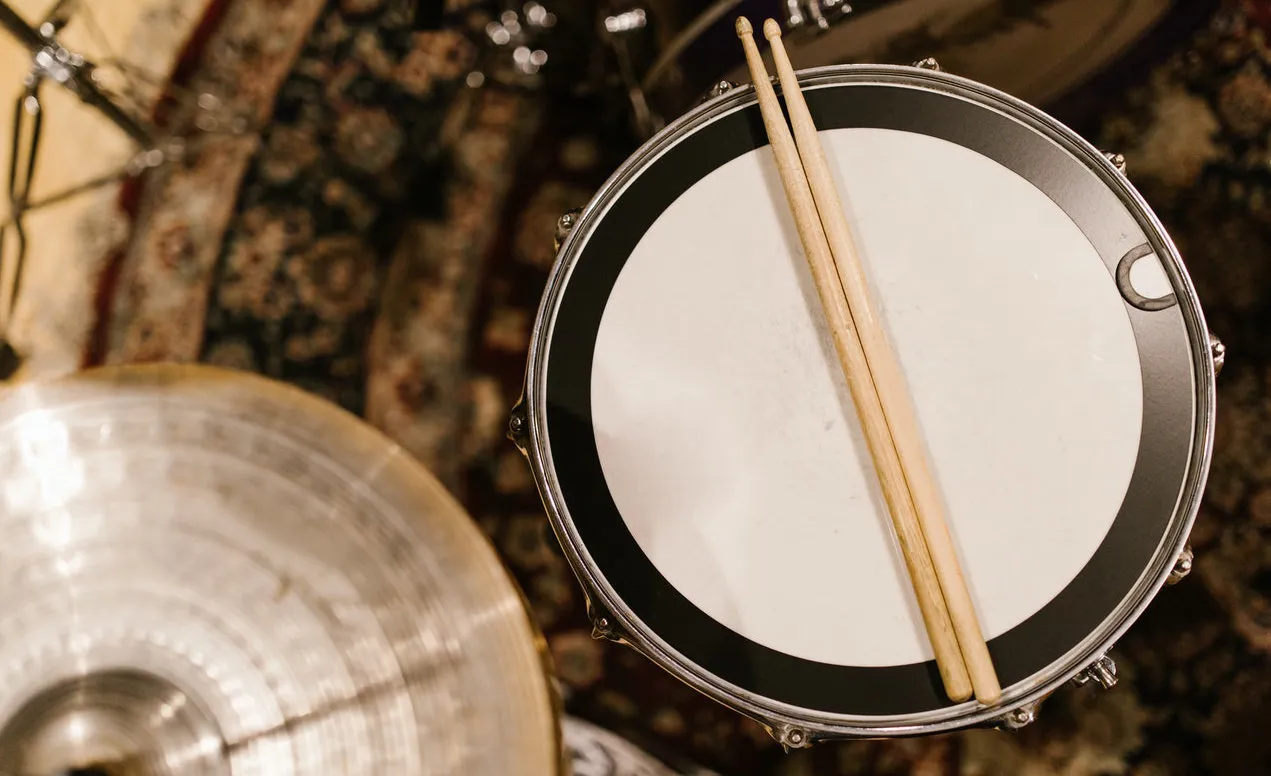
For example, if you want to remember the number “10”, you could imagine that it looks like a stick beating a drum. The “1” is the stick, and the “0” is the drum.
That picture in your mind of the drum is the mnemonic image that can help you recall the number “10” later.
Tip: to find images for all numbers, check out the Shaper System.
Create a free forum account or log in to enable interactive quizzes and then return to this page.
Example 2: Remembering a Word
If you need to remember a vocabulary word while studying, you could create a mnemonic image for it.
Remember that a mnemonic image is just a picture that is meant to remind you of the word (or whatever fact you’re trying to remember).
Let’s say that the vocabulary word is pugnacious, which means “having a combative or quarrelsome nature”.
The first thing that comes to mind when I hear the word pugnacious is the sound “pug”, which is a kind of dog.
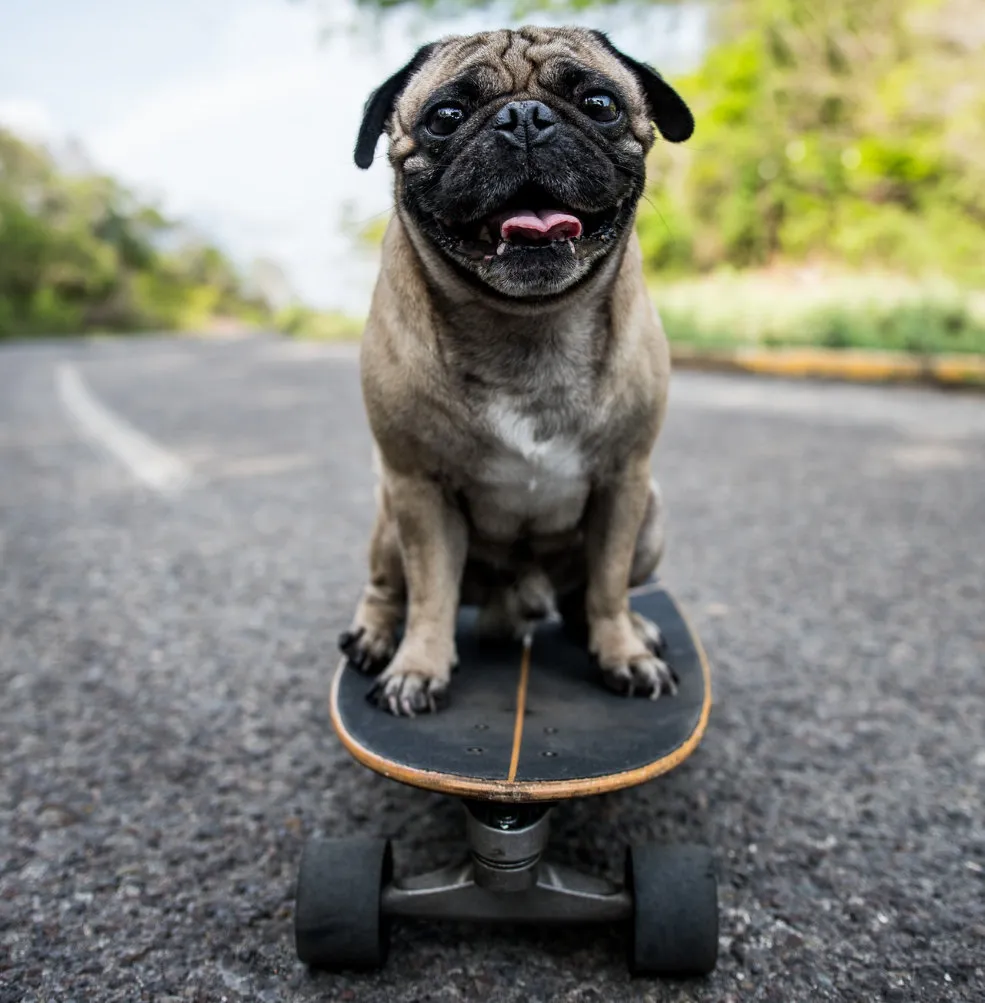
You can then find a mnemonic image for the second half of the word, -nacious. The first thing that comes to mind when I hear that is the word “nauseous”.
Combine the two images that represent pugnacious:
- Pug
- is nauseous.
Your combined mnemonic image is now a pug who is nauseous. That image represents the word itself.
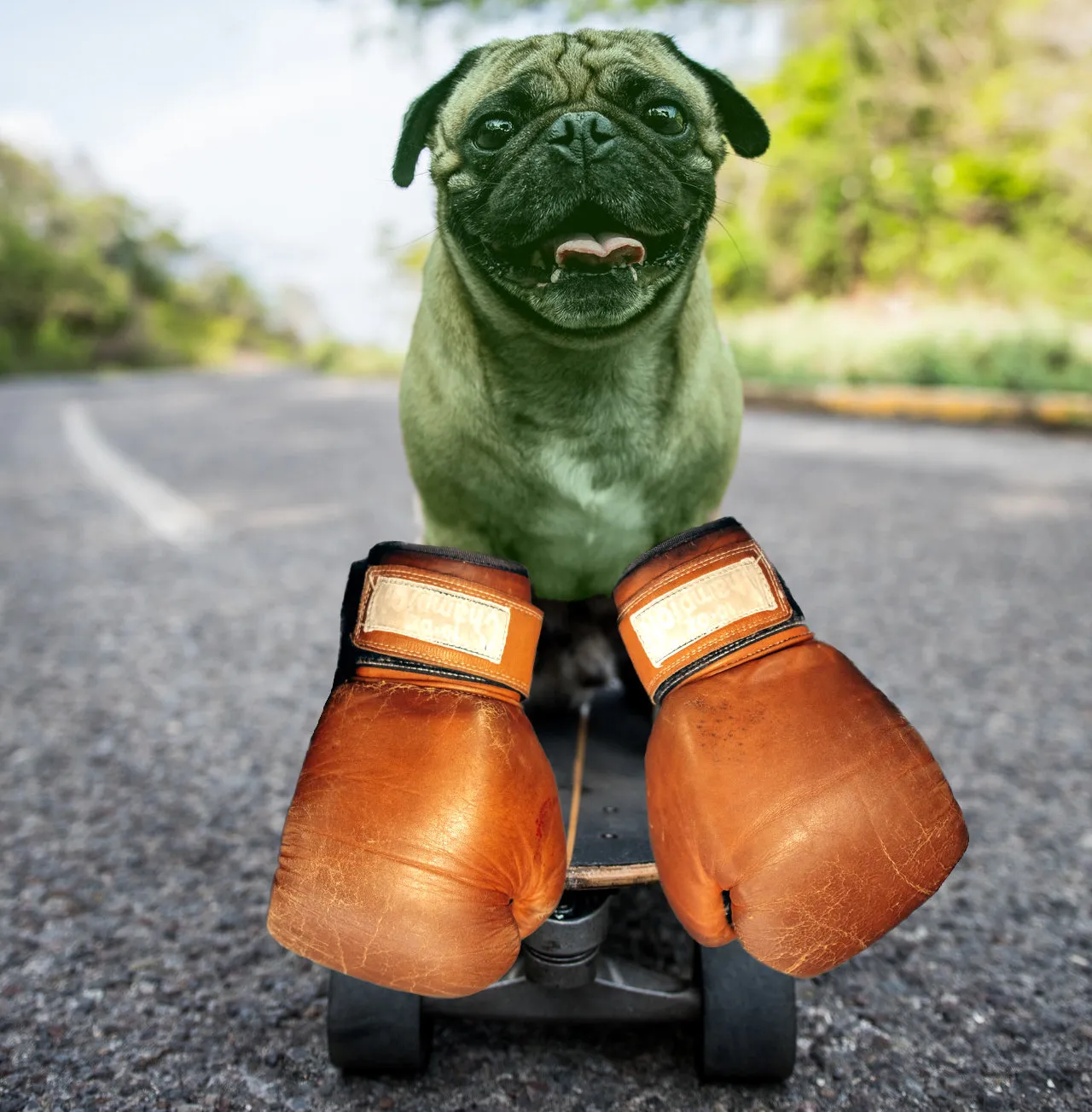
To remember that pugnacious means “combative nature”, you can picture a nauseous pug that is always trying to start a fistfight with someone. You can make the images playful and weird if it helps you remember them.
Here’s the final mnemonic image that represents the word pugnacious and its meaning: a nauseous pug who is always looking for a fight.
Tip: for more details on memorizing words, you might want to also read our article on How to Memorize Vocabulary Words.
Below, we’ll take a look at some of the ways that you can come up with mnemonic images for difficult words or facts.
Mnemonic Image Tools
When first starting out with mnemonics, it can be difficult to come up with mnemonic images for abstract information. How do you turn a word like “freedom” or “adumbrate” into a mnemonic image?
In this section, we’ll look at some general techniques for doing that.
Syllables
Find an image based on similarity of the syllable sounds. If a word has multiple syllables, sometimes you only need an image for the first syllable or two. The image(s) helps you get past the tip of the tongue effect.
Examples
The Esperanto word, manki means to be missing. Manki sounds like monkey. Picture a classroom of student monkeys where one chair is empty — the monkey is missing. Or you could imagine that the entire class of monkeys is missing and the teacher-monkey is wondering where everyone went.
The Greek word for “please” is parakalo (παρακαλώ). Break the sounds into parts: “para” and “kalo”. The first part, “para”, could be something like:
- a parachute or
- a bear (“bar”) or
- a bar (drinks)
The second part, “kalo”, could be Frida Kahlo and/or the word “hello”, which would also remind you that the accent comes on the last syllable of the word.
Homophones and Rhymes
Rhymes or slant rhymes work well.
Homophones are words that are pronounced the same but have different meanings. If you had to remember the word ate, you could convert it into eight and then use your mnemonic image for the number 8.
Spelling
Find an image based on the spelling.
For example, the French name Marquet looks like the English word market even though they have different pronunciations.
By Groups and Differences
If you group together related items, you can often memorize them by taking note of the differences between each of the items.
For example, in Esperanto there are several words for “to try”:
- provi — to try to do something, or attempt/test something
- peni — to make an effort
- klopodi — to take steps towards doing something
By mentally organizing the group words as “to try” and then picking apart the differences, it makes the memorization easier.
Another example is to learn related words at the same time. E.g., hot/cold, above/below, right/left.
Visual Resemblance
A mnemonic image can be created by visual association.
For example, the letter A originates from a Cretan and Phoenician form where the point of the A points at about 8 o’clock, which makes it resemble an ox’s head. The two points are the horns. So a mnemonic image for the letter A could be an ox.
The Shaper System for numbers is another example.
Personal Association
Sometimes you can find a personal association that doesn’t have any known meaning, but that works for remembering the data.
Create a free forum account or log in to enable interactive quizzes and then return to this page.
Create a free forum account or log in to enable interactive quizzes and then return to this page.
Summary
Creating effective mnemonic images is a skill that improves with practice. The key techniques you’ve learned are:
- Syllables - Break words into sound parts and find images for each
- Homophones and Rhymes - Use words that sound similar
- Spelling - Use visual similarity in how words are written
- Groups and Differences - Learn related items together
- Visual Resemblance - Use shapes that look similar
- Personal Association - Create your own meaningful connections
Remember: mnemonic images work best when they are:
- Vivid and colorful
- Unusual or exaggerated
- Personally meaningful to you
- Action-oriented (things happening, not static scenes)
Create a free forum account or log in to enable interactive quizzes and then return to this page.
Related Forum Discussions
- Economics words
- I am seeking for advices on transforming abstract words into images.
- How to turn jargon/terminology/abbreviation into pictures which can be visualized
- Techniques for learning obscure words (Scrabble)
- What method to use when memorising random words
See Also
- How to Link Mnemonic Images
- SMASHIN’ SCOPE
- Memory Palaces
- List of Memory Techniques
- How to Learn Memory Techniques Quickly
Check out our other memory technique tutorials to learn more about how to improve your memory.
