Back to a Healthy Way of Eating
This post isn’t directly about memory techniques, but I mentioned in the forum that I’ve switched back to a strict way of eating, so I thought I would write about it here in the blog. I am not an expert on nutrition, and I do not make any recommendations – in this post I’m only sharing my own self-experiments. Some of my previous food experiments can be found here and here.
I’m always looking for new information and ideas about food, so feel free to leave comments below.
New Year’s Resolutions
I wonder how many people make uncompleted New Year’s resolutions about becoming more healthy or losing weight. I’ve done it many times.
This year I tried something different – I started changing my way of life around well before New Year’s. The result is that I’ve made significant improvements to my life in advance, and reached the New Year already with a couple of months of progress.
Related: see Foods to Improve Memory and Natural Ways to Improve Memory.
How I Eat
At the moment, I choose my foods only based on nutrition, not on taste or cravings. This list is going to sound very restrictive, but I don’t think of it that way. There are plenty of things to eat in the world that don’t contain junk.
Here are my basic rules for eating at the moment:
- No meat — I feel better without meat. I do eat some fish.
- No dairy — cows milk is designed by nature to help baby cows gain weight rapidly. It is very easy to mindlessly snack on things like cheese and yogurt. I don’t see any benefit to eating those things when I can get the same nutrients from other foods.
- No rice — brown rice is my preferred food, but the rice supply has high arsenic levels at the moment. According to those charts, I was eating a lot more arsenic than is safe, so I’m cutting rice out of my diet for a while.
- No wheat — I am testing whether this helps a medical condition
- No oats — same as for wheat
- No eggs — same as for wheat
- No sugar — sugar is very unhealthy, and there is no reason to eat it. Quitting sugar is not that difficult, and has major health benefits.
- No caffeine — I feel better without it.
- No juice — juice seems to be nearly as unhealthy as soda. Removing the fiber from fruit isn’t healthy.
- No alcohol — it’s mostly unhealthy.
- No spicy food — I have not found solid research on whether certain foods are “anti-inflammatory” but I am experimenting with it. It’s likely that I will add this back later.
- No nightshade family plants — same as for spicy food.
- No processed food — I don’t buy frozen food, canned food (other than salmon), refined food, packaged snacks, or other kinds of pre-made food.
- No refined oils other than extra-virgin olive oil — I get this from a local producer to ensure that it is not fake.
- No supplements — I’m not a big fan of supplements and pills. I am currently eating a very nutritious diet, so I don’t even think about supplements. I’ve posted other comments on why taking supplements might be harmful, or at least useless.
What I do eat:
- Whole grains and seeds — amaranth, buckwheat, quinoa, millet, corn.
- Vegetables — this category provides nearly limitless options for eating
- Beans
- Fruits
- Nuts
- Fish — only some occasional wild salmon and herring, because they are low in mercury.
I make sure that I get enough fat by eating an avocado almost every day. Other sources of fat are: tahini, olive oil, nuts, and fish.
Example Foods
Below are some sample meals. I find most of these vegetables over at Monterey Market in Berkeley, California.
This is buckwheat/kasha with black beans, avocado, steamed collard leaves, squash, and bitter melons sauteed with almonds:
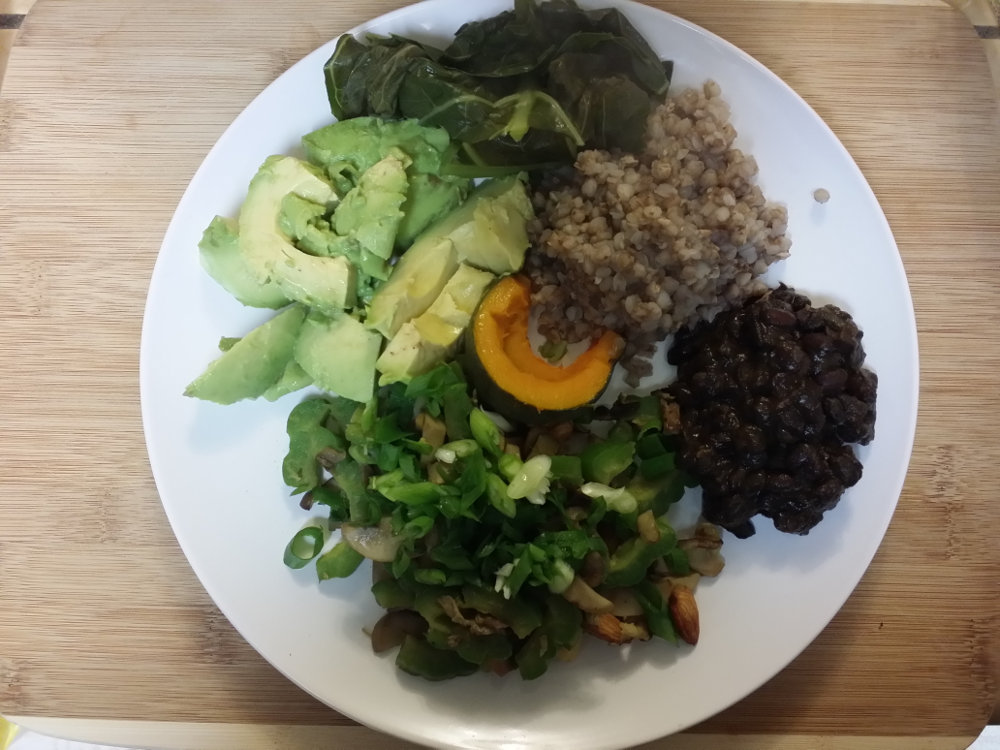
I try to mix colors: orange, green, red, etc. This reminds me to eat a wide range of nutrients.
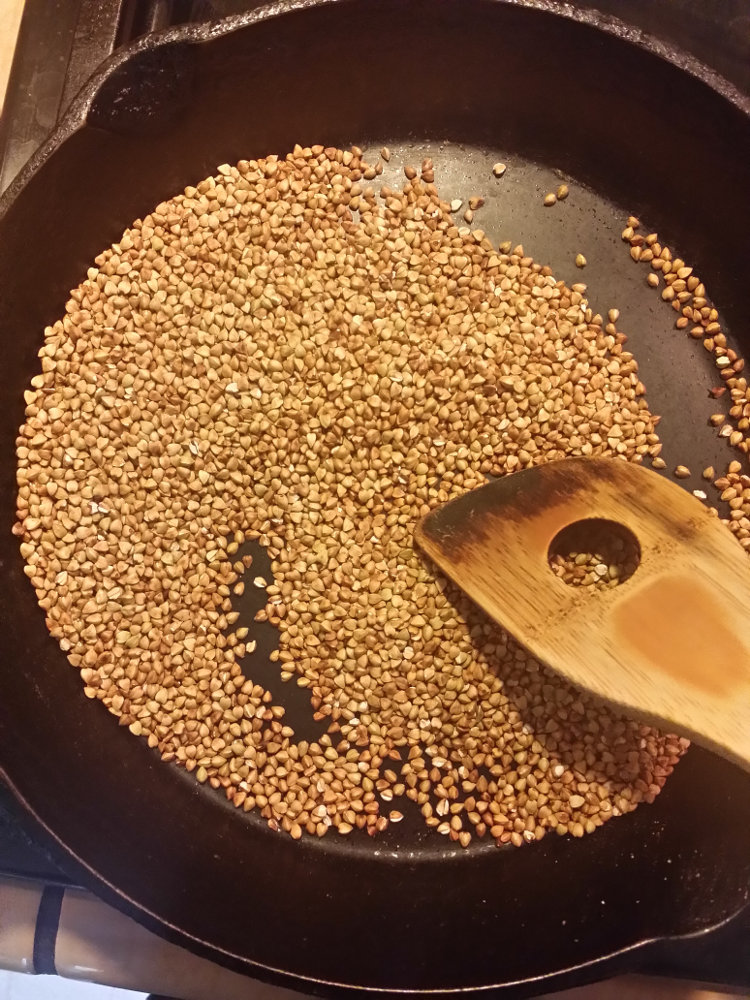
Buckwheat is very healthy, and easy to prepare. I buy green buckwheat groats and roast them in a pan:
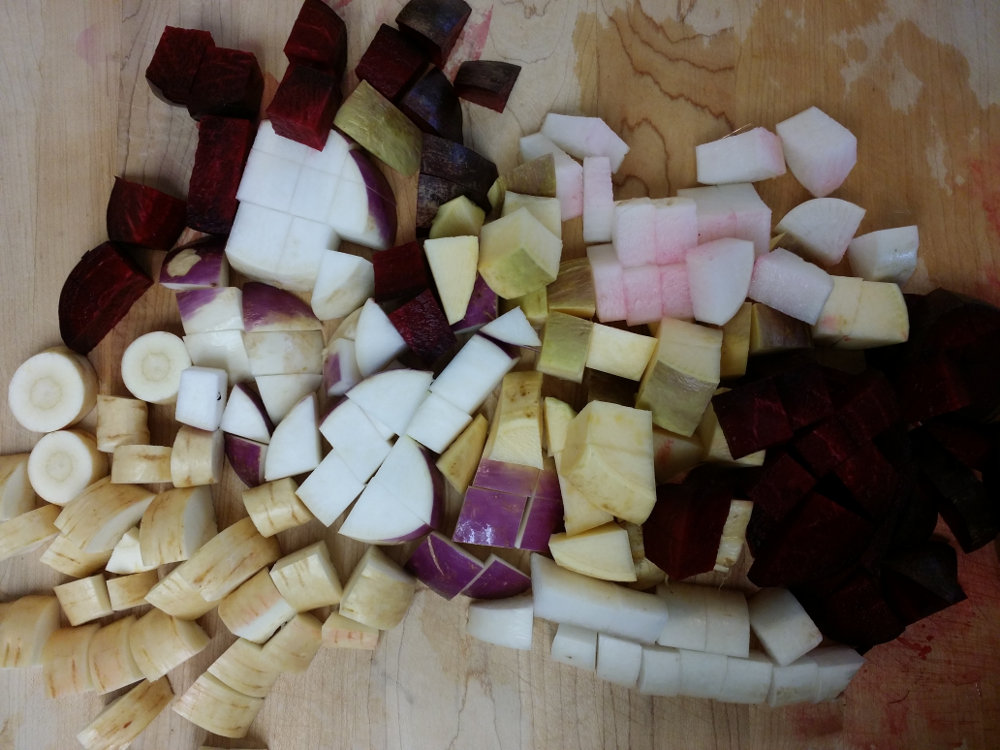
I steam different kinds of vegetables together:
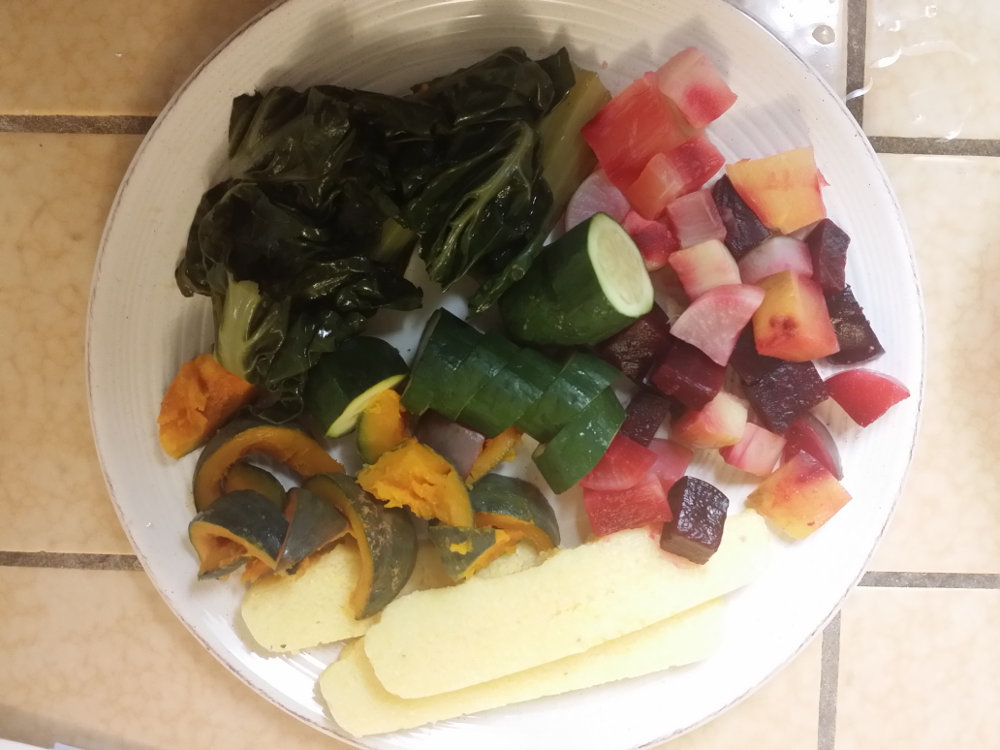
I then serve them with something like polenta:
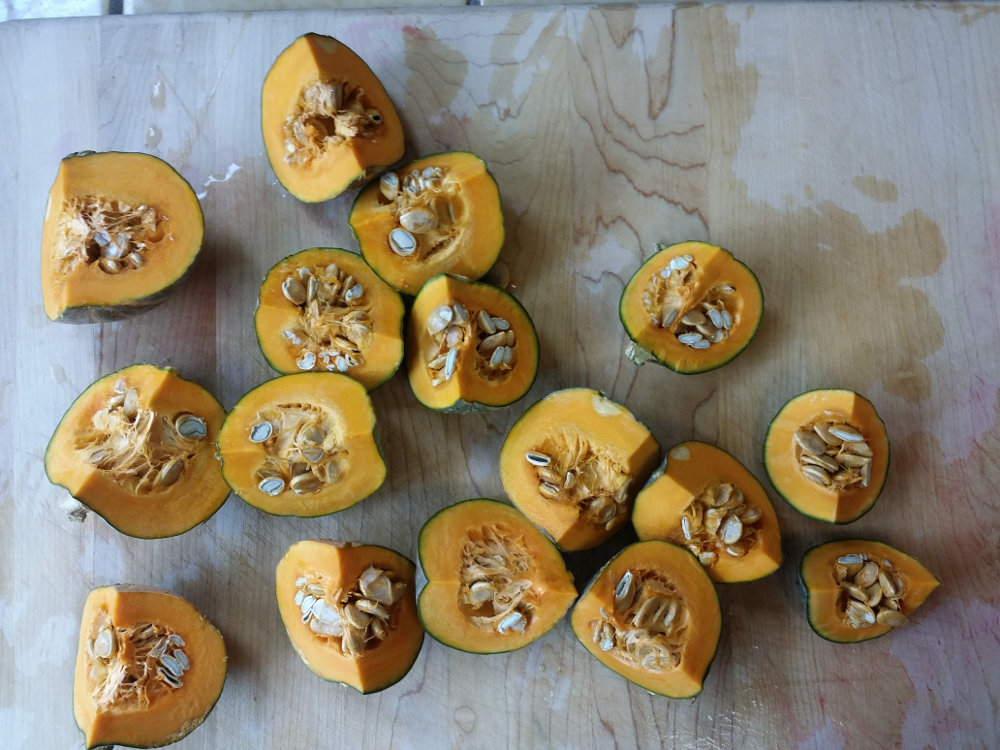
I generally don’t like squash or sweet potatoes, but these little kabocha squashes are good:
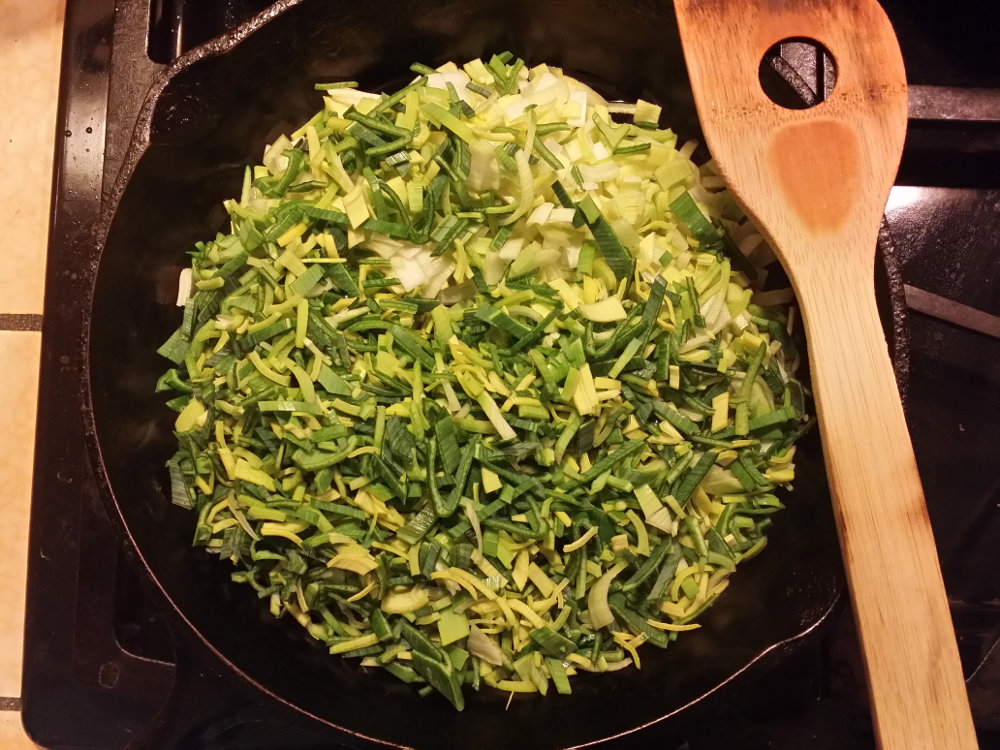
For larger squashes, I steam them with a couple of sweet potatoes, and then puree them into soup with sauteed leeks, which help make the squash flavor bearable:
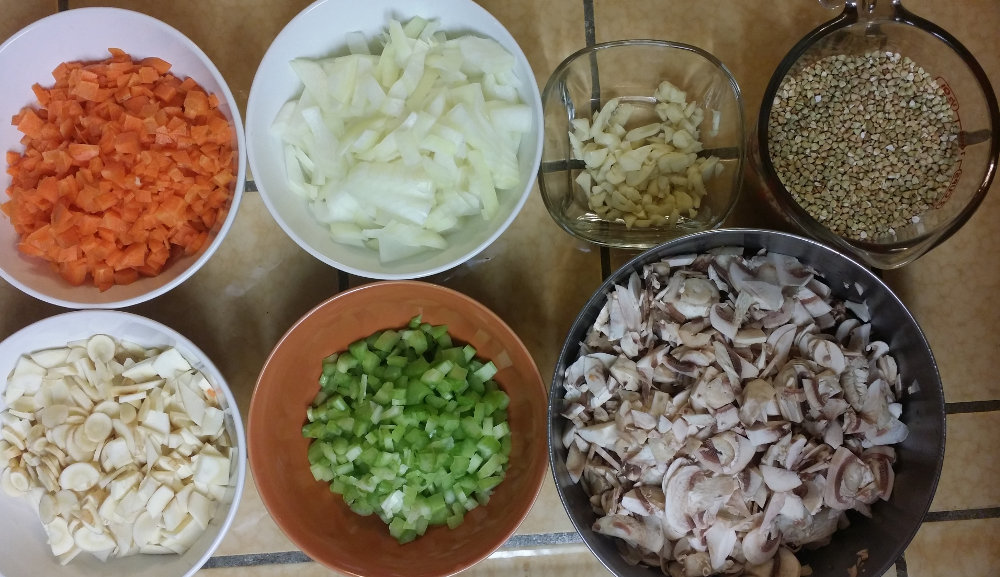
One way to make portable meals is to stuff cabbage leaves. These bowls contain onions, celery, garlic, parsnips, carrots, mushrooms, and buckwheat:
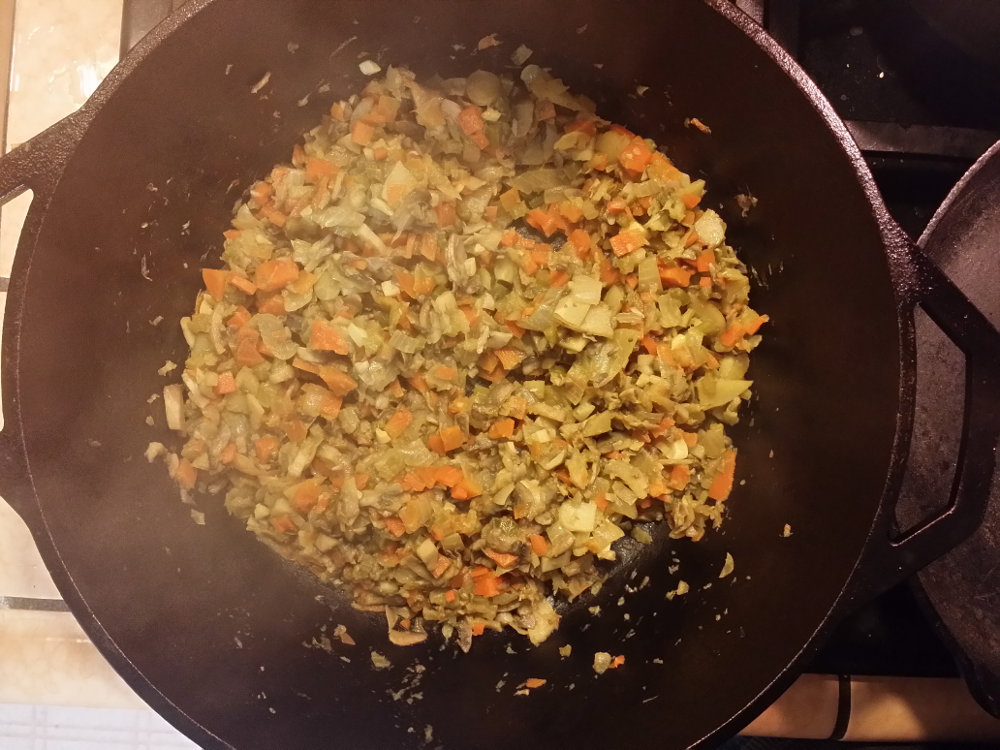
The vegetables get cooked on the stove in a Dutch oven, and the buckwheat gets roasted and boiled the normal way.
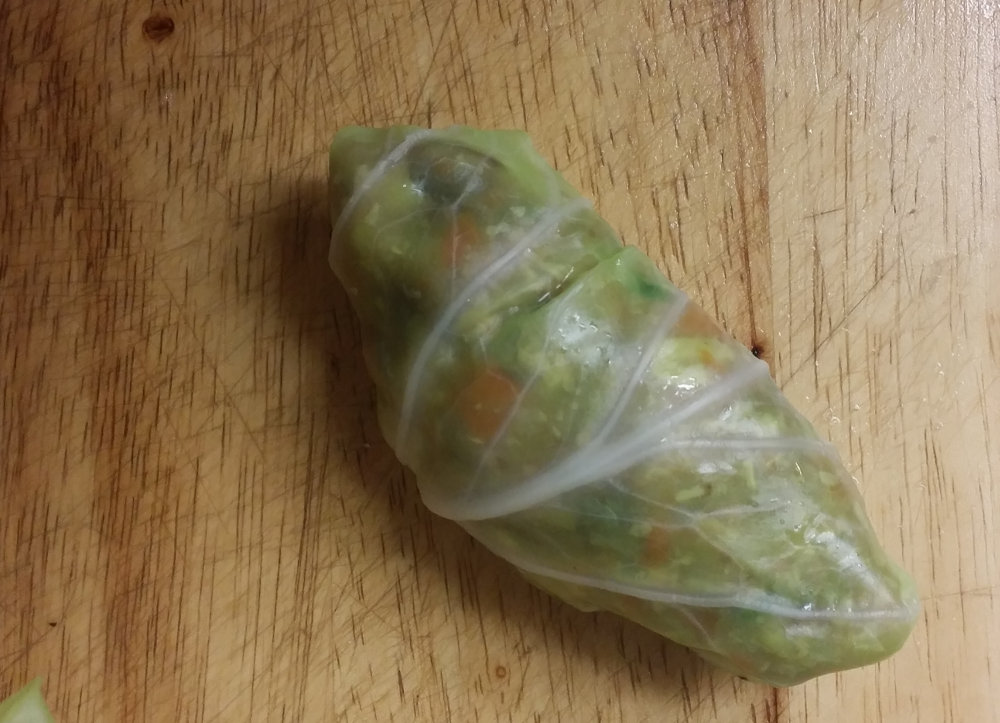
The cooked vegetables are mixed with the buckwheat and then wrapped in partially steamed cabbage leaves:
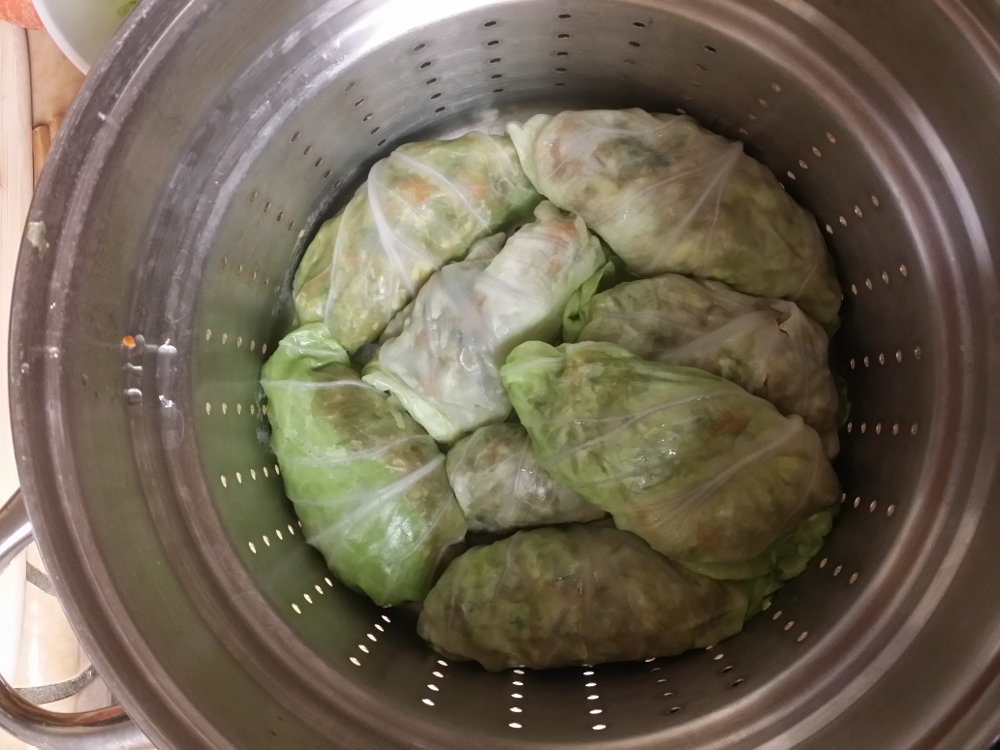
The stuffed cabbage leaves then get steamed for another 30 to 40 minutes:
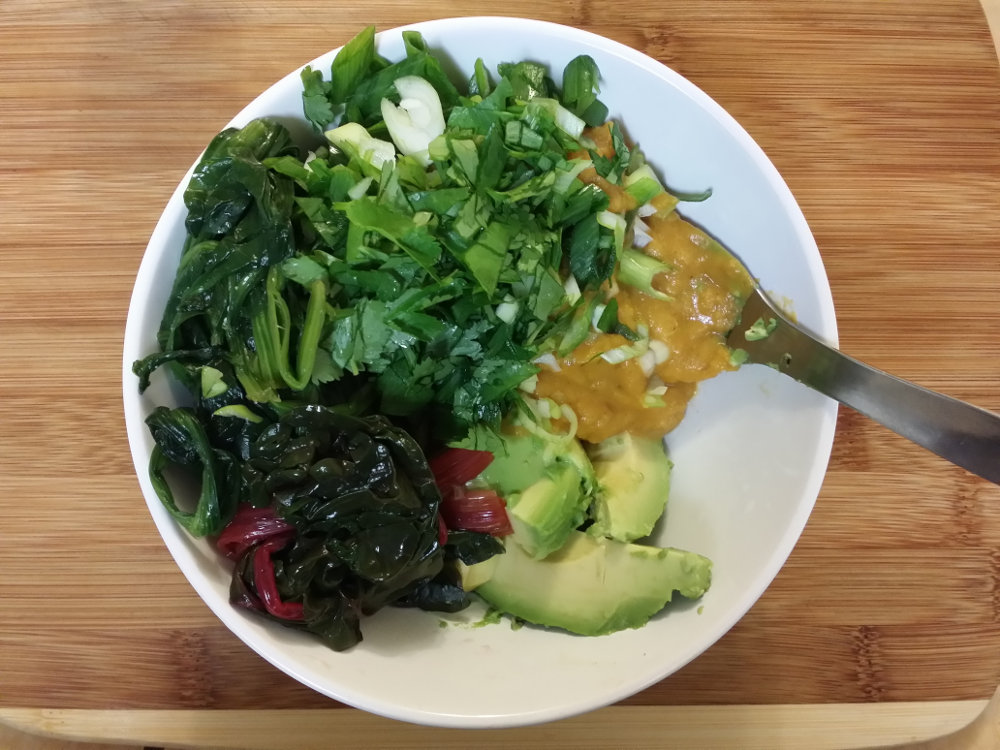
Below is another typical meal, with steamed spinach and chard, pureed squash, avocado, green onions, and cilantro. I think there is amaranth under the other dishes.
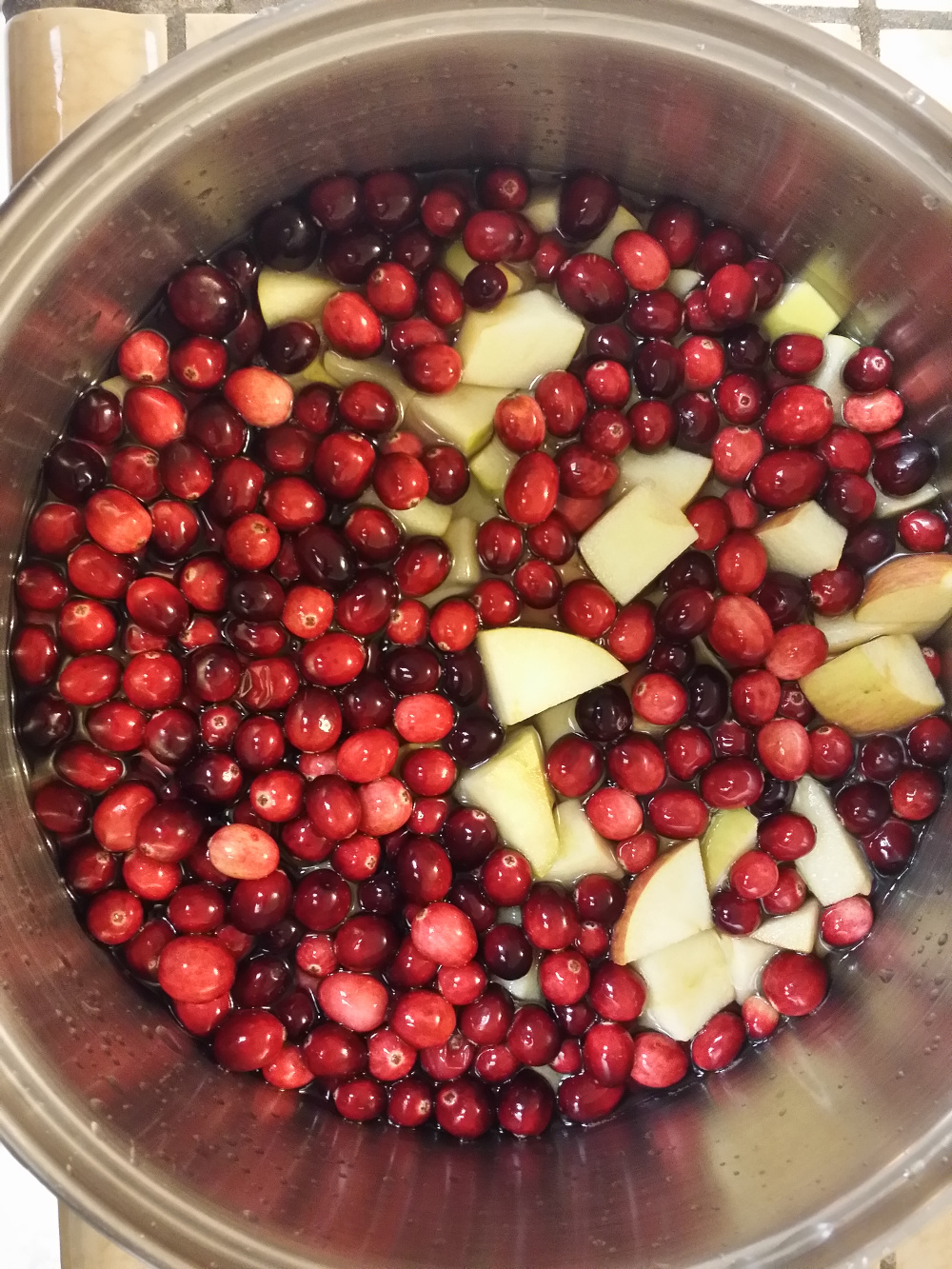
There are many types of apples on sale at the moment, so I simmer them with cranberries for about 45 minutes to make cranberry applesauce:
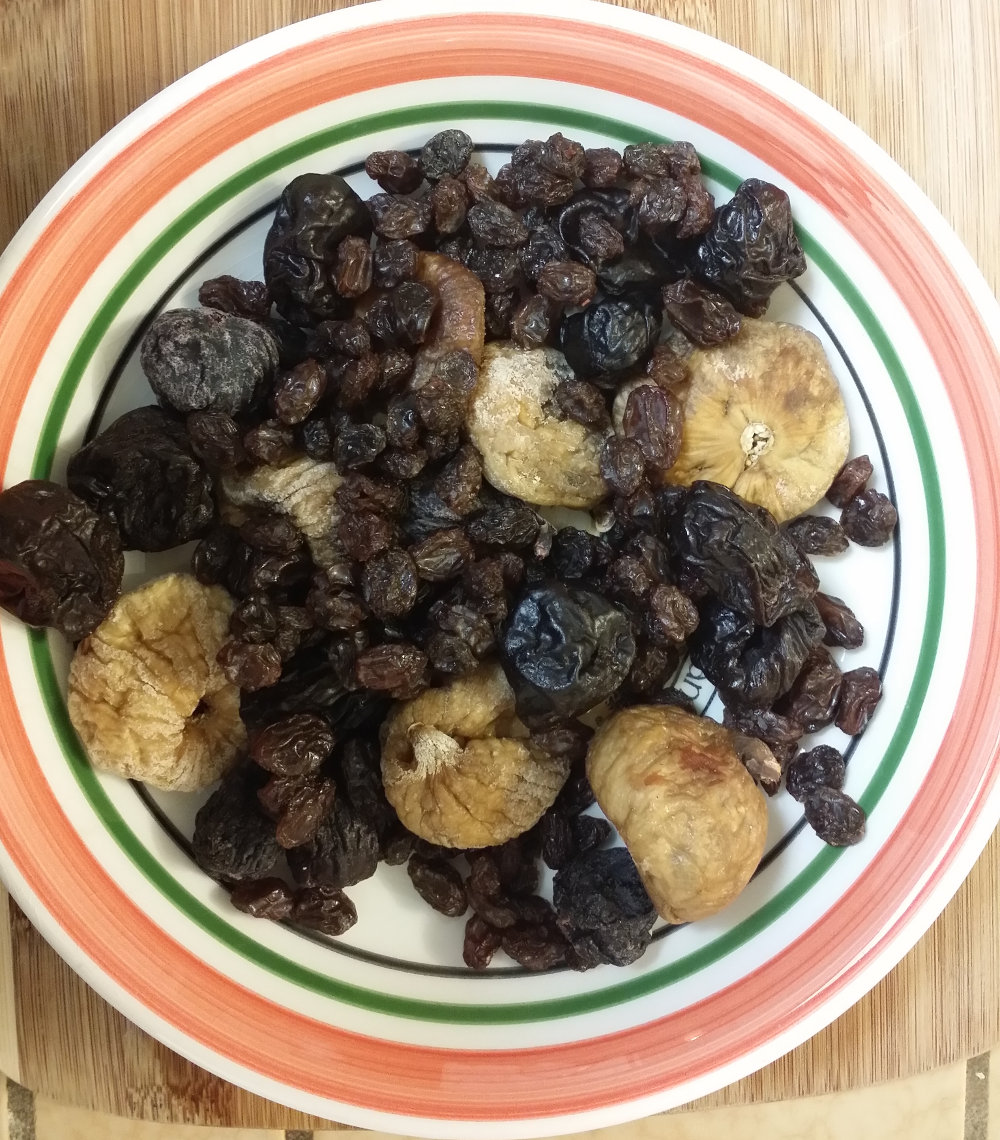
Right before it finishes cooking, I add some dried fruit:
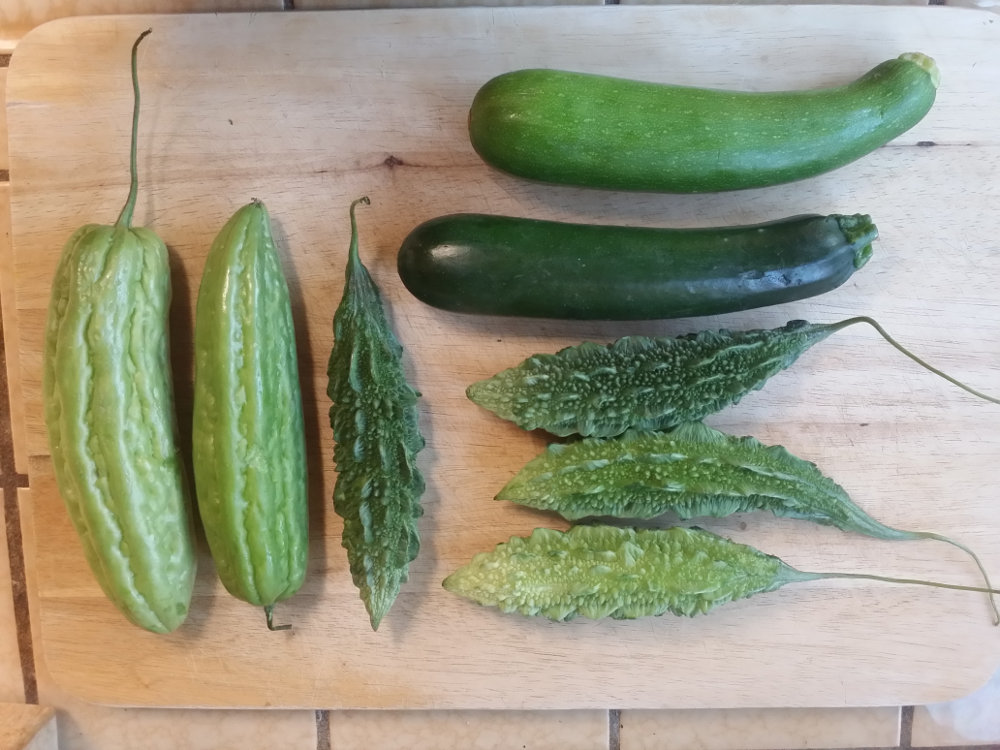
One other food that I try to eat frequently is bitter melon. I didn’t like it the first few times I tried it, but it becomes addictive after about the third or fourth time.
They are great when stir fried with onions, garlic, ginger, and whole almonds:
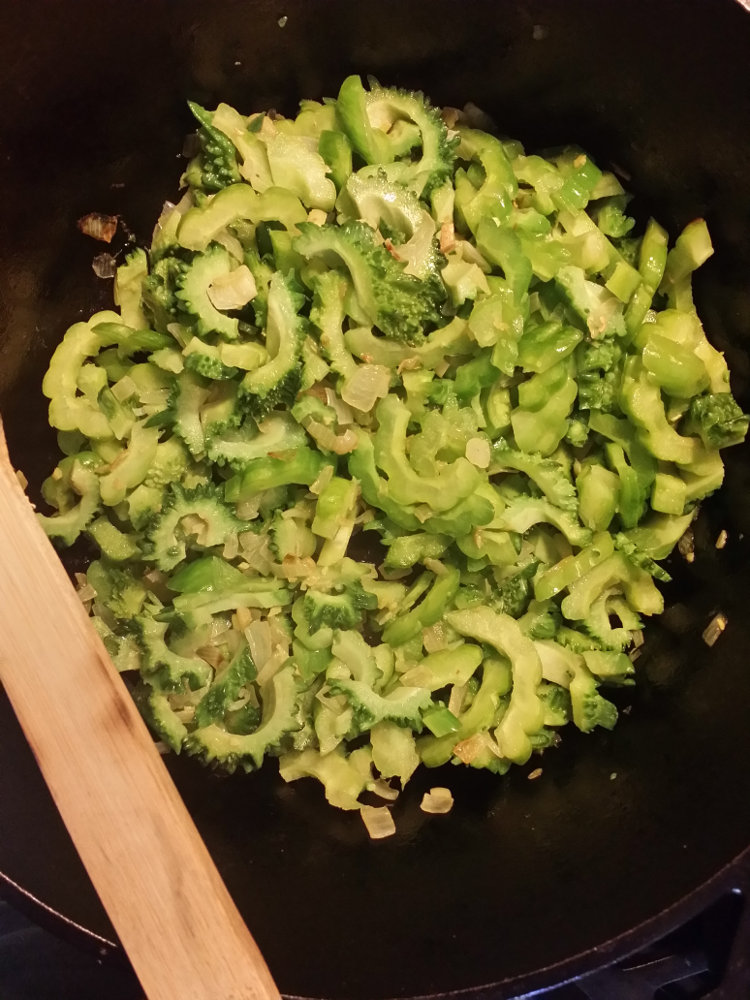
(The picture of stir-fried bitter melons above doesn’t have almonds in it, because I didn’t have any that day.)
My Results
Besides losing over 30 unneeded pounds, the strict discipline helps keep me on track in general. I do feel better, especially when I’m getting enough sleep and supplementing it with power naps.
People who are interested in different ways of eating might be interested in this article that rates diets in 2014. I don’t really follow diet trends myself — I just eat what seems most logical to me.
Like I mentioned, I am not an expert on nutrition. If anyone finds any holes in my way of thinking about eating, feel free to leave constructive criticism, or share your own diet, below.
There is also a forum thread about fitness and nutrition.


