How to Use the Method of Loci
The method of loci is a technique for memorizing information by placing a mnemonic image for each item to be remembered at a point along an imaginary journey. The information can then be recalled in a specific order by mentally walking the same route through the imaginary journey and converting the mnemonic images back into the facts that they represent. Loci is the plural for of the Latin word, locus, meaning place or location.
The method of loci has many other names, including the memory palace technique, the Roman room system, and the journey method. The resulting mental spaces can be referred to by various terms like memory journeys, memory spaces, and Sherlock’s mind palace. The technique was featured in the book Moonwalking with Einstein.
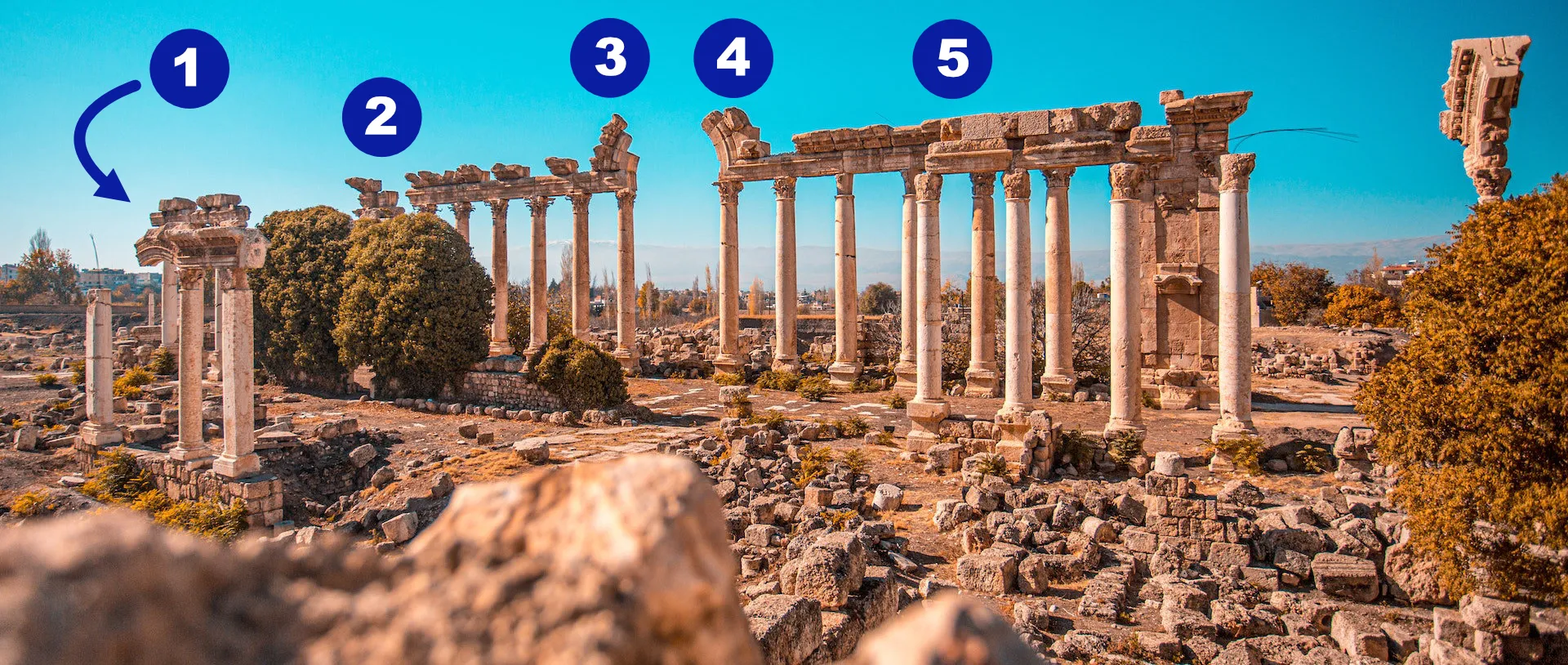
Origins of the Technique
The method of loci originated in prehistoric times and is found in many cultures.
Ancient Greece
The earliest surviving historical mentions of the method of loci in European culture appear in the Rhetorica ad Herennium, Cicero’s De Oratore, and Quintilian’s Institutio Oratoria.
Roman legend attributed the method to a Greek poet, Simonides of Ceos, who discovered the technique while identifying bodies in the wreckage of a collapsed building that he had been sitting in just moments before.

Prehistory
Historical records of the technique only go back to Simonides in the 6th Century BCE, but the method of loci goes far back into prehistory. Examples of mnemonic techniques that involve spacial relationship include songlines and memory boards (like lukasas).
For more information about the use of the method of loci among oral cultures, read Memory Craft and The Memory Code by Lynne Kelly.

Method of Loci Example
Here’s an example of how to create a memory palace:
1. Create the Locations
Create a mental journey along a well-known route, for example, through your house. The first 10 loci, or locations, of the journey might be:
- your bedroom, on your bed
- your bedroom, in your closet
- bathroom
- hallway
- other bedroom
- stairs
- living room
- dining room
- kitchen
- front porch
These 10 locations are your first “memory palace”. You will always travel through your memory palace in the same order.
2. Memorize the Items
Then, take a list of ten items that you want to memorize, and imagine each item in one locus, or location, of your memory palace. For example, you could try memorizing the following shopping list:
- corn
- milk
- carrots
- chicken
- garlic
- bar of soap
- beans
- dish soap
- mayonnaise
- hot sauce
Using the sample memory palace above, you would place the corn in the first location of the memory palace, which is in your bedroom on your bed. You could exaggerate the corn cob by making it a large corn cob sleeping in your bed.
Then, place the second item in the list in the second location of the memory palace, and so on.

3. Recall the Items
To recall the items, just mentally retrace your route through the memory palace and you should be able to retrieve the data.
If you want to store the memorized information for a longer period of time, use repetition and go through the memory palace a few times per day until it sticks.
After you try it with 10 items and can recite them forwards and backwards in order, try expanding your memory palace to 30 locations. After you can recall 30 items in order, experiment with placing two items per location.
More Examples
See also How to Build a Memory Palace and Memory Palace Tips.
Quotes about the technique
- The oldest known description of the method of loci in European culture is in the Rhetorica ad Herennium, written sometime around 90 BCE.
- Cicero’s De Oratore mentioned the method of loci.
- Read what Quintilian had to say about the method of loci.
Method of Loci Software
Check out our memory palace app that helps you manage your memory palace locations and knowledge.
Method of Loci and Health
Here are some articles that discuss studies that have been done on the memory palaces and health conditions.
Memory Palace Guide
Learn more about how to use memory palaces.
- How to Build a Memory Palace 🔥
- Learn How to Use Sherlock's Mind Palace 🔥
- How to Create Virtual Memory Palaces 🔥
- Books About Memory Palaces
- How to Reuse Memory Palaces
- List of Memory Techniques for Studying
- How to Use Spaced Repetition
- How to Use the Method of Loci
- Advanced Memory Palace Tips
- Memorize Numbers with a Memory Palace
- Memory Palace for Language Learning
- Simonides of Ceos and the Method of Loci
- Palace Run: A Memory Palace Game
