Memory Competition Training Techniques
It’s easy to get started with memory competition training techniques. This guide will tell you everything you need to know to get started in your journey from beginner to memory champion!
(Tip: If you don’t want to read this whole article but just want to jump right to the techniques, create a free forum account, and we’ll send you a PDF ebook that will get you started quickly.)
What Is a Memory Competition?
A memory competition is an event where participants compete to see who can accurately memorize the most amount of information in the shortest possible time. The competitors are often referred to as mental athletes.
There are two types of memory competitions: online and offline.
An example of a memory competition is Memory League which has both online and sometimes offline components (for in-person competitions). You can watch people compete live on the Memory League website and on Twitch. There’s also a forum section where people discuss training tips and techniques.
In the short video below, you can watch someone memorize the order of 30 random images in 9.36 seconds during the 2023 Memory League World Championship:
In this next clip, a competitor memorizes the order of a shuffled deck of cards in 12.74 seconds during a memory competition:
Techniques Used in Memory Competition Events
Here are some common events at memory competitions and the techniques that are often used.
Tip: After you read this page, be sure to create a forum account, because that’s where you can get customized advice about choosing and applying the memory techniques in competitions.
1. Number Memorization
Number events require memorizing decimal numbers of various lengths. For example, at level 10 on Memory League, competitors have 60 seconds to memorize 80 random digits. Other competitions have events where people try to memorize as many random digits as possible within a certain amount of time, like 5 minutes, 30 minutes, or an hour.
If you’ve never memorized numbers before, watch this video to get an overview of the basic concepts. Most number memorizers combine a number-image system like the Major System with a memory palace.
The Major System isn’t the only number system, but it’s the most common one. Alternatives include the CV System, the Shaper System, the Dominic System, and the Ben System.
2. Card Memorization
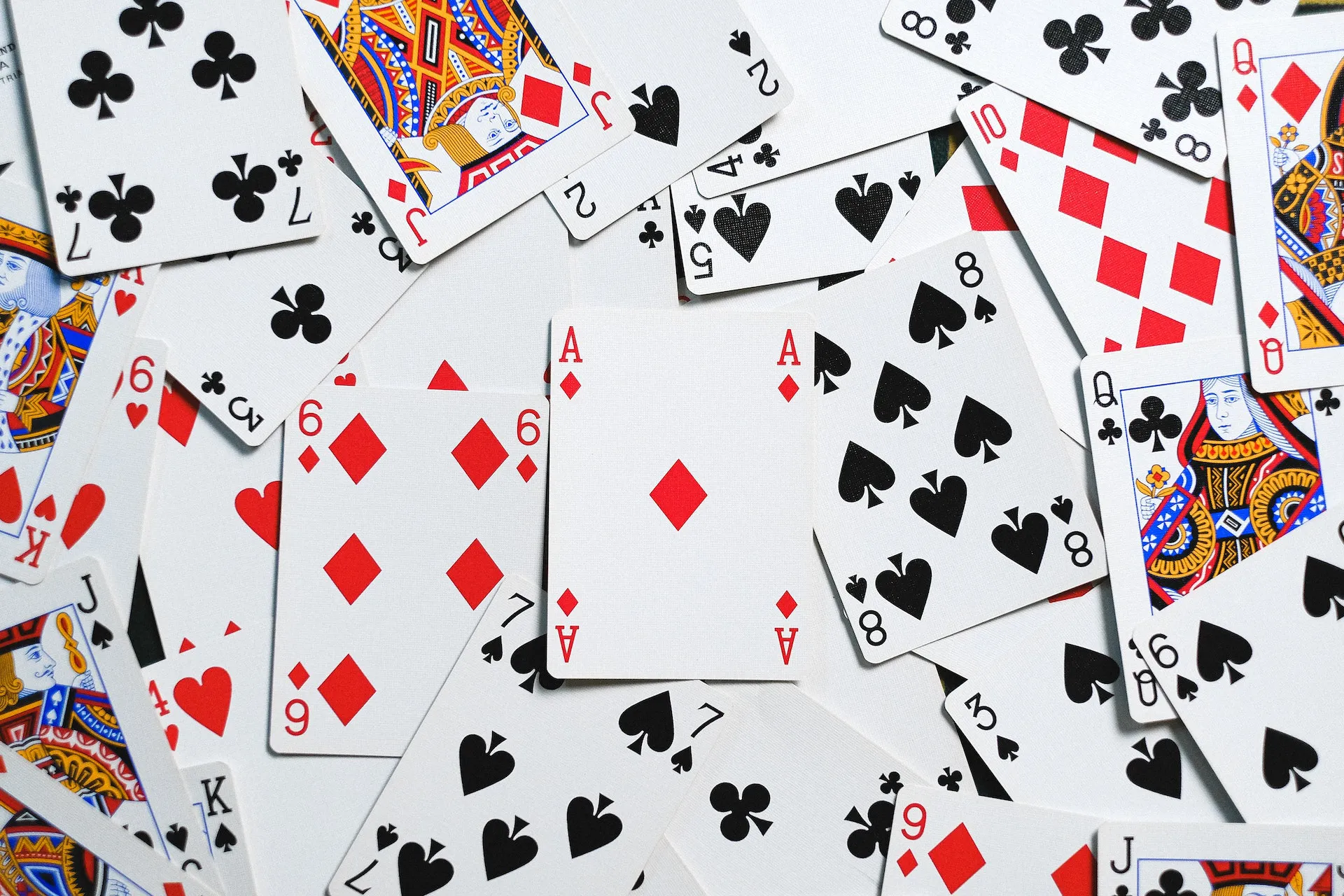
These events involve memorizing one or more decks of shuffled cards. On Memory League, people have 60 seconds to memorize a deck. (Top competitors can do it in less than 15 seconds.) Other competitions might give as long as an hour to memorize as many decks as possible.
Card memorization is most commonly done by taking an existing number-image system and expanding it for use with cards. There are three main types of card memorization systems:
- 1-card system — each card represents a fixed image, and one or more images are placed in each location in a memory palace.
- 2-card systems — in these advanced techniques, each pair of cards represent a fixed image. Examples systems include the Ben System, the Shadow System, and the Trochee System. With a 2-card system, you can place 2 to 6 cards in each location of a memory palace.
- PAO system — each card represents a person, and action, and an object. Three cards are place in each location of a memory palace. See the PAO System page for more details.
3. Names & Faces Memorization
These events involve memorizing names and matching them to faces. Name memorization events can be challenging, because the names used are often unfamiliar (especially in Memory League’s International Names Game).
See the page on how to memorize names for more details.
4. Surprise Events
Surprise events occur at some Memory League competitions. Competitors don’t know what kind of data will be shown to them until right before the event starts. Some examples of surprise events from the past are license plate memorization, shape memorization, and memorizing chimpanzee faces.
There aren’t any fixed techniques for surprise events, because competitors don’t know in advance what the task will be. These events tend to require familiarity with a range of memory techniques.
5. Images Event
In the Memory League Images Game, you have 60 seconds to memorize up to 30 random digits in order. This is one of the best events for beginners, because the technique is easy to learn. Other competitions involve memorizing the order of abstract images or other kinds of pictures.
Two good techniques to use for memorizing images are Simon’s peg list system and memory palaces.
6. Binary Number Memorization
Binary number events involve memorizing as many random binary digits as possible in a time period of between five minutes and an hour. Top competitors can memorize more than 1,000 random binary digits in 5 minutes.
Memorizing binary numbers is similar to memorizing regular decimal drummers, but it’s a little easier due to the nature of binary data. See how to memorize binary numbers for more information.
7. Historic Dates Event
Some competitions have an historic dates event where you compete to see who can memorize the most fictitious dates and events.
A common technique for memorizing historic dates in competitions is to turn the date into a mnemonic image using a number system. That image is then linked to an image representing the event. Search our forum for tips on how to perform the technique.
8. Spoken Numbers Event
Some competitions have a spoken numbers event. Random numbers are spoken by a recording at a rate of one per second. At the end, competitors have to write down all the numbers perfectly.
Your score is only counted up to your first mistake, so if you make a mistake on the 50th digit, but got 300 numbers memorized, your score is only counted up to the 50th digit.
Memorizing spoken numbers is similar to memorizing written numbers, and the same basic techniques are used.

How Much Training Is Required?
According to the Washington Post, Ben Pridmore spent “nine hours per week memorizing the sequence of as many packs of cards as he could”.
These excerpts about Wang Feng are from some of the Chinese newspaper articles on the Memory Sports Yahoo Group, translated with Google Translate::
This is hard to prepare for the World Championship of training class, Wang Feng, “coming to the fore” the. At that time, Wuhan, intolerable heat, several members of Life Sciences, rented a small classroom, 5,6 hours every day practicing a variety of memory skills on the inside, tired, lying on the table a break and ate lunch. “High temperature, dry training, actually persevered.” More than a month, Wang Feng made rapid progress, unhappy memory of the master in January reached one of three criteria — “No one within two minutes of regular playing cards Memory.”
Reporter has learned that this competition before, Wang Feng and master Yuan Wenkui village in Wuhan, rented a house less than 20 square meters, the house only a bed and two tables. They begin at 8 am from the day has got to 17:30, sometimes even “late training.”
There are many discussions about training in the forum. Here are some that you can join:
- Card deck memorization - post your times here — this is a long discussion with tips, including one forum member who was able to memorize a deck of cards in less than 30 seconds after only 6 months of training.
- Ask a memory champion, part 1
- Ask a memory champion, part 2
- Training Plan
Tip: if you create a free forum account, you can ask questions there and get personalized recommendations from experienced memory athletes.
How to Train for Memory Competitions
If you’re new to memory techniques and are just starting, follow these steps:
- Check out the how to learn memory techniques page.
- Try our free memory course (self-guided).
- Sign up for a free Memory League account and use the training tools.
- Sign up for a free Art of Memory forum account to read tips from memory champions and enthusiasts.
Don’t forget to create a forum account, because that’s where you can get personal tips and advice!
